




Dunkin’ is facing a proposed class-action lawsuit challenging the way it markets its Dunkin’ Zero energy drinks, with a customer alleging that the beverages’ “zero sugar” claims are misleading because they contain allulose.
Filed on September 30, 2026, in the U.S. District Court for the District of Massachusetts, the lawsuit, Wells v. Dunkin’ Brands Inc., names Dunkin’ Brands Inc. and its parent company, Inspire Brands Inc., as defendants.
The plaintiff, Phyllis C. Wells of Illinois, says she purchased the drinks multiple times a week because she wanted to limit her sugar intake. According to the complaint, medium Dunkin’ Zero drinks contain approximately 9 grams of allulose, while large drinks contain between 11 and 13 grams.

Women Are Swapping Their Boring Water For This Ice Pop Electrolyte Mix!
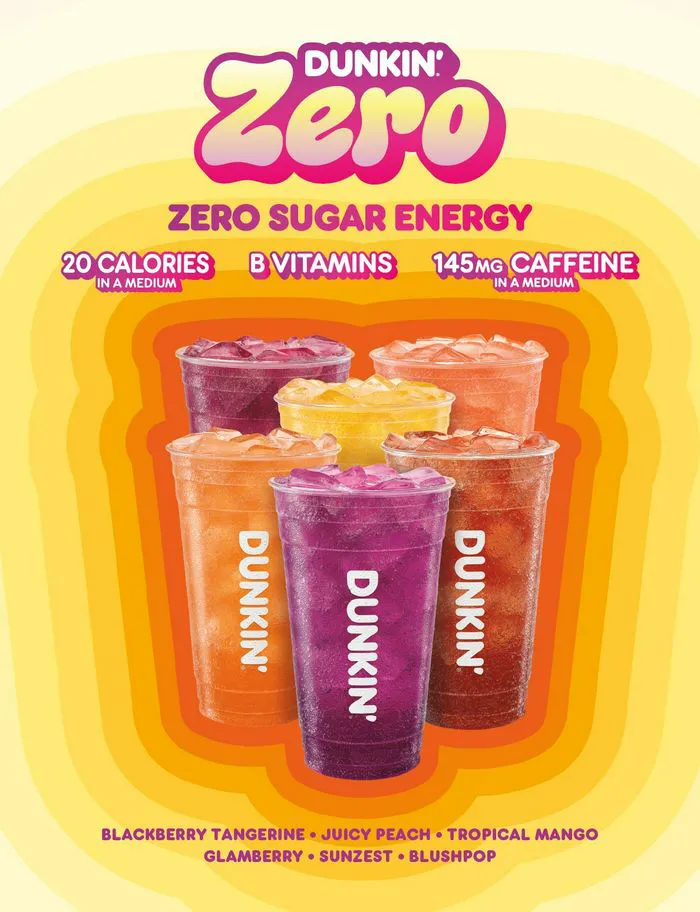
Dunkin' Face Class-Action Lawsuit Over "Zero" Sugar Drink
Allulose is a rare sugar that occurs naturally in small amounts in certain foods. Although it is chemically classified as a monosaccharide, the body processes it differently from conventional sugars.
Wells argues that advertising the drinks as “zero sugar” or displaying “0g of sugar” is false and misleading. The complaint alleges that the marketing violates consumer protection laws in Illinois and Massachusetts and breaches express warranties.
However, federal labeling guidance treats allulose differently from traditional sugar. The U.S. Food and Drug Administration allows manufacturers to exclude allulose from the Total Sugars and Added Sugars declarations on Nutrition Facts labels, while requiring it to remain included in Total Carbohydrates. The lawsuit challenges the broader marketing claims rather than simply the way allulose appears on the nutrition label.
Wells is asking the court to certify the case as a class action representing people across the United States who purchased Dunkin’ Zero drinks at Dunkin’ locations since the line launched on March 4, 2026.
She is also seeking restitution, statutory and punitive damages totaling more than $5M, and an injunction that would prevent Dunkin’ from continuing to make the allegedly misleading zero-sugar claims.
The allegations have not been proven in court, and the case remains a proposed class action.