




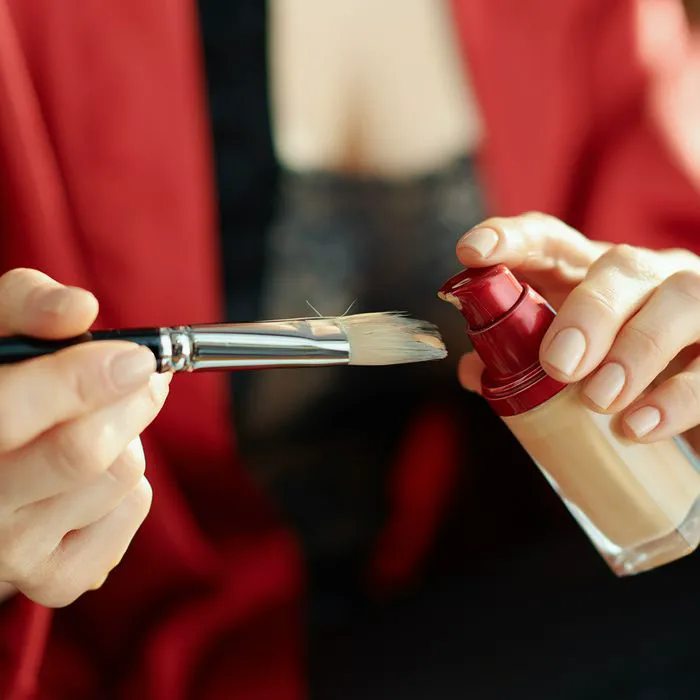
Foundation is meant to help your skin look smoother, brighter, and more even—but a few common application mistakes can throw your whole makeup look off. As skin changes over time, techniques and formulas that worked years ago may start emphasizing fine lines, dryness, or texture instead of creating the fresh, natural finish you’re after. Luckily, a few simple swaps can make a big difference.
Achieving a youthful-looking complexion is often less about using more makeup and more about choosing the right products and applying them strategically. From prepping your skin properly to choosing a formula that complements mature skin, small changes can help foundation look seamless and radiant all day long. Here are 10 foundation mistakes that could be aging your look—and the tips you need to know to help you avoid them.

Women Are Swapping Their Boring Water For This Ice Pop Electrolyte Mix!
1. Applying Foundation With the Wrong Tools
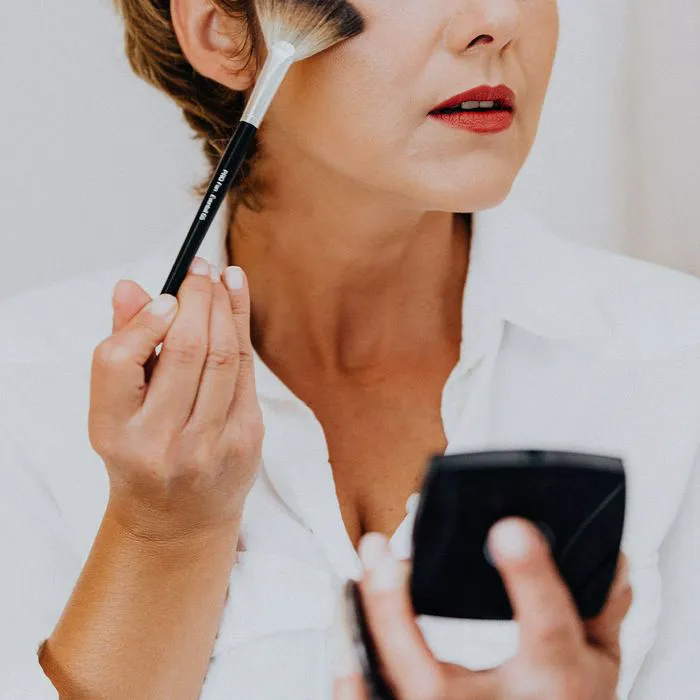
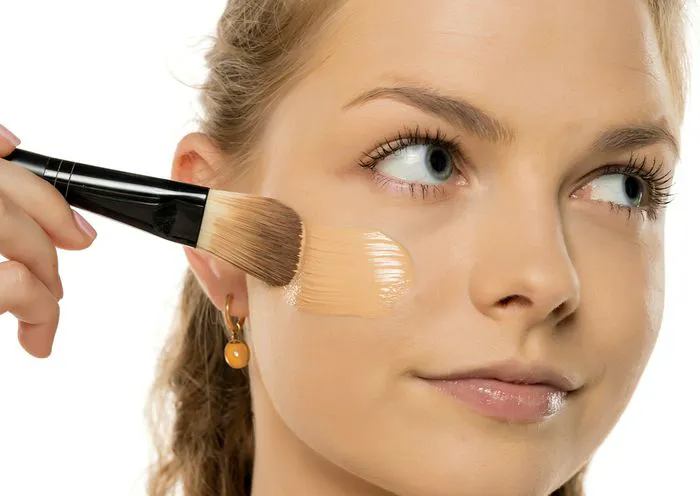
The way you apply foundation matters just as much as the formula you choose. Dragging a brush across the skin can disturb dry patches and create streaks, while gently pressing or stippling foundation into the skin with a damp sponge or dense brush helps create a smoother, more even finish that looks naturally blended.
2. Choosing a Foundation That's Too Matte
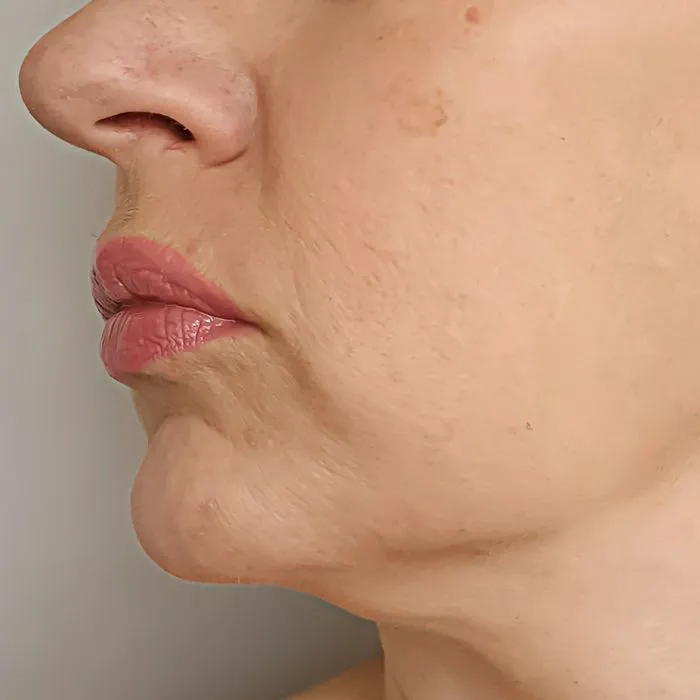
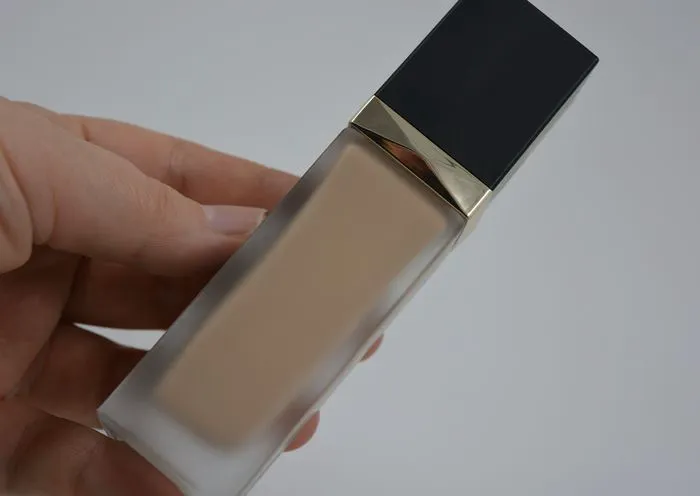
While matte foundations can help control shine, formulas that are too matte can also make mature skin appear dry and emphasize fine lines and texture. If your skin has become drier with age, try a natural, satin, or radiant-finish foundation instead. These formulas add a healthy-looking glow while still providing enough coverage to even out your complexion.

3. Forgetting to Blend Into the Neck and Hairline
Even the perfect foundation shade can look obvious if it isn't blended beyond your face. Taking a few extra seconds to soften the edges around your jawline, hairline, and neck creates a seamless transition that looks more natural in every type of lighting and prevents the appearance of a visible makeup line.
4. Never Changing Your Foundation Formula
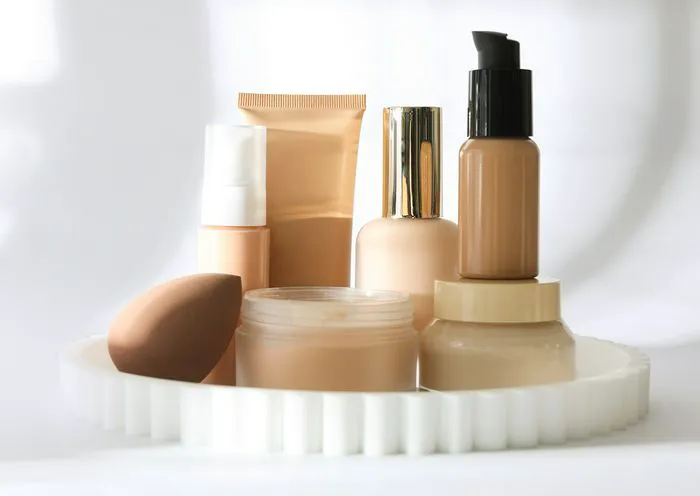
Your skin changes over time, and your foundation should evolve with it. A formula you loved years ago may no longer work as well if your skin has become drier, more textured, or less oily. Reevaluating your foundation every few years—and choosing one that matches your current skin type and concerns—can make a huge difference in how smooth, fresh, and flattering your makeup looks.
5. Not Using a Hydrating Primer on Dry or Mature Skin
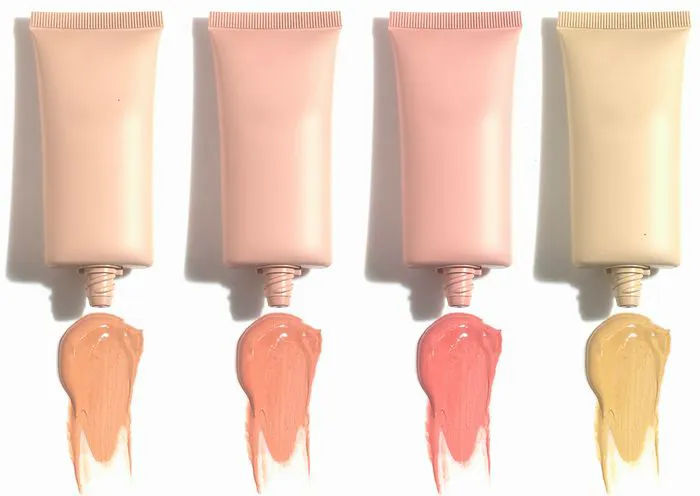
A hydrating primer can make a noticeable difference if your skin tends to be dry or textured. It helps smooth your skin's surface, improves foundation application, and can prevent makeup from catching on dry areas. The result is a softer, more even finish that wears better throughout the day.
6. Skipping Moisturizer Before Makeup
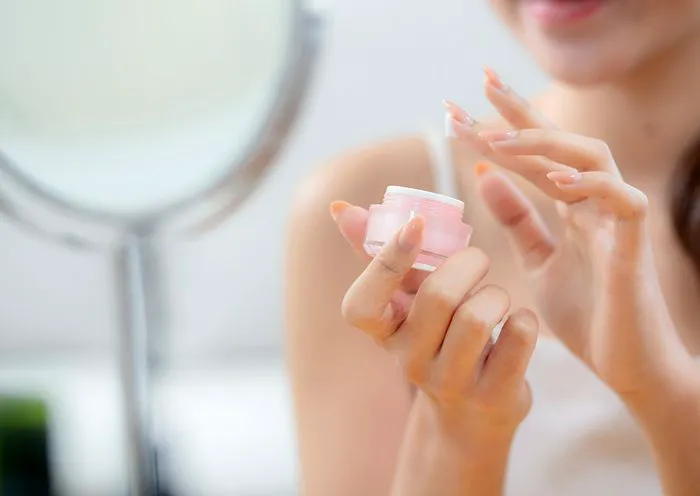
Foundation tends to perform much better on well-hydrated skin. Skipping moisturizer can leave dry patches more noticeable and make foundation cling unevenly. Applying a lightweight moisturizer a few minutes before you put on makeup helps create a smoother base so foundation blends more evenly and stays comfortable throughout the day.
7. Using a Full-Coverage Formula
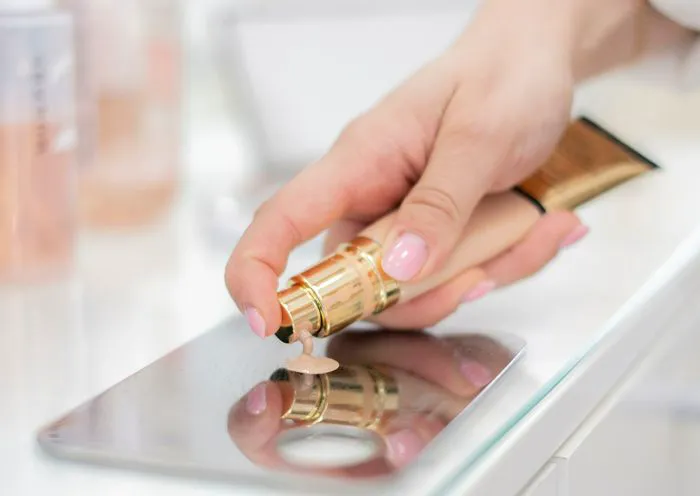
Heavy, full-coverage foundations can sometimes mask the skin rather than enhance it, especially on mature complexions. They are also more likely to emphasize texture if applied too heavily. A lightweight or medium-coverage formula that can be built up where necessary often creates a fresher, more youthful look while still evening out skin tone.
8. Applying Too Much Foundation
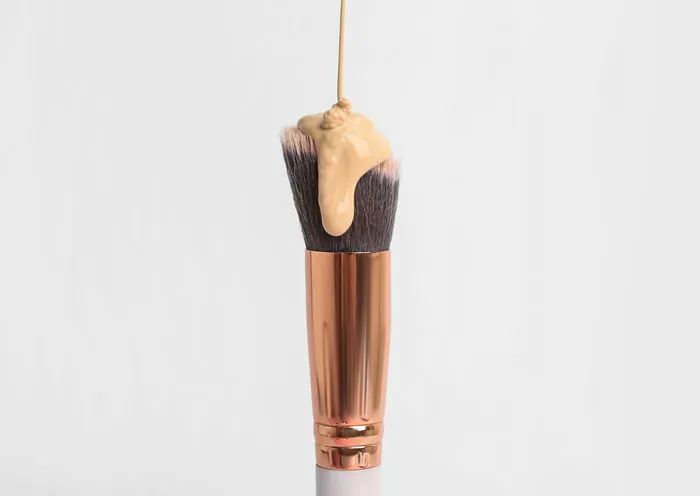
More foundation doesn't necessarily create a smoother finish. In fact, layering on too much product can make makeup settle into fine lines and look heavy or cakey throughout the day. Makeup artists recommend starting with a thin layer and building coverage only where needed for the most natural, skin-like result.
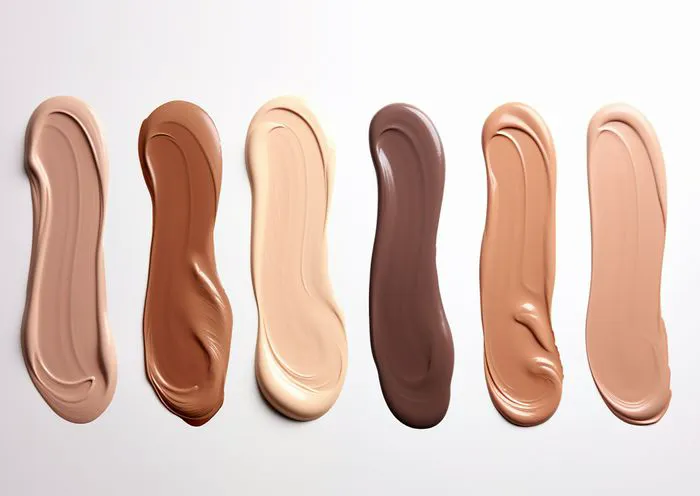
9. Wearing the Wrong Foundation Shade
A foundation that's too light can make your complexion appear flat, while one that's too dark can look obvious and create harsh lines around the face. Choosing a shade that closely matches your skin tone—or even adjusting it seasonally if your complexion changes—creates a more natural-looking finish.

10. Not Setting Your Foundation
Even beautifully applied foundation can migrate into fine lines as the day goes on. After applying your makeup, gently smooth away any settling with a clean fingertip or sponge, then use only a light dusting of lightweight powder where needed. This helps lock in your makeup without creating a dry or overly powdered appearance.