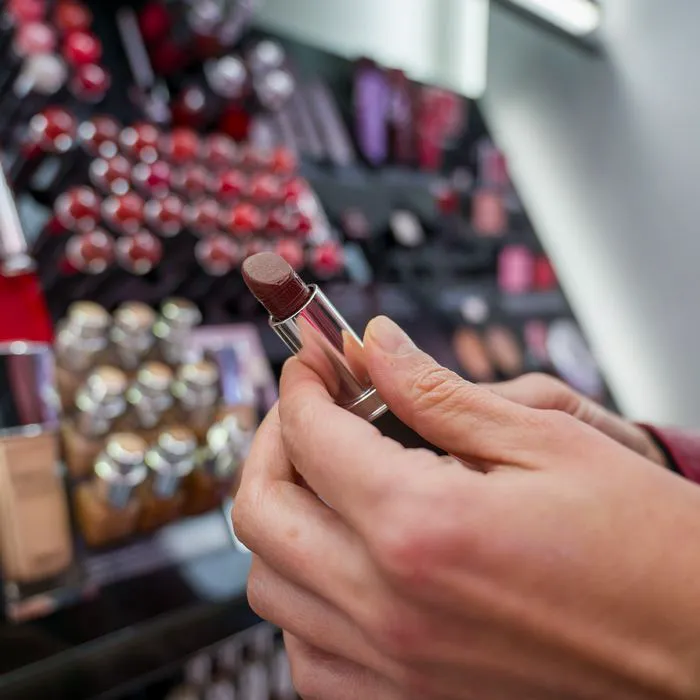





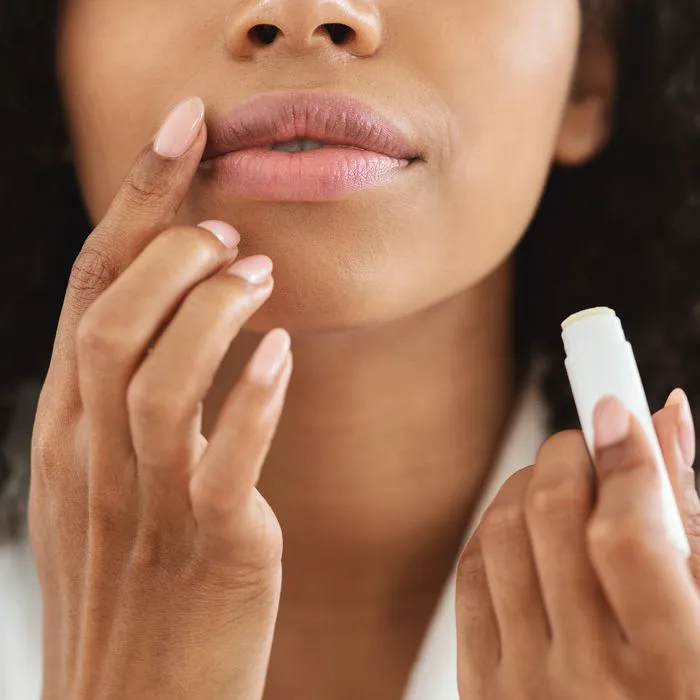
When winter temperatures drop, keeping your lips soft, smooth, and hydrated can feel like a never-ending battle. Between the cold outdoor air and dry indoor heat, your lips can quickly become chapped, flaky, and uncomfortable. You might find yourself reaching for your favorite lip balm several times a day, hoping to give them some much-needed relief. But what if the product you’re relying on to soothe your lips is actually making the problem worse? According to dermatologists, certain types of lip balms contain ingredients that can irritate delicate skin, worsen dryness, and leave you feeling like you need to reapply constantly.
Choosing the right lip balm formula can make a world of difference when it comes to protecting your lips from harsh winter weather. The trick is knowing which ingredients to avoid and which ones actually help lock in moisture and support your skin’s natural barrier. Before you toss another lip balm into your purse or coat pocket this season, take a closer look at these three types that dermatologists recommend approaching with caution.

Women Are Swapping Their Boring Water For This Ice Pop Electrolyte Mix!
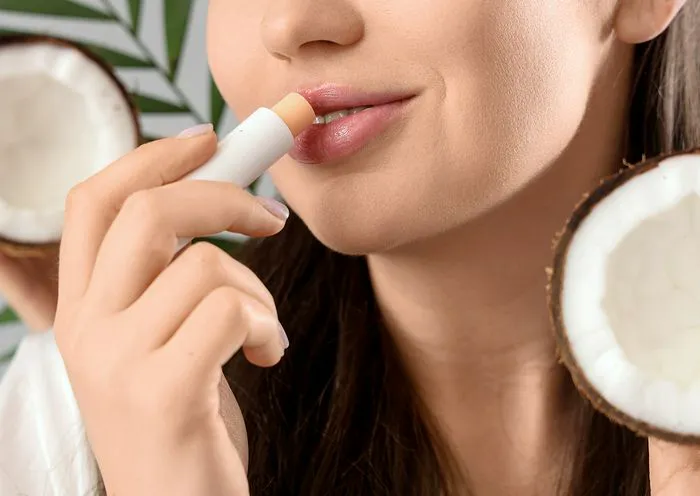
1. Menthol-Based Lip Balms
There's something satisfying about applying a lip balm that delivers an instant cooling sensation, especially when your lips are feeling dry and uncomfortable. But that refreshing tingle isn't a sign that the product is doing your lips any favors. Menthol, a common ingredient in medicated lip balms, creates a cooling sensation that can temporarily distract from discomfort without actually addressing the dryness. Even worse, menthol can irritate the delicate skin on your lips, particularly if they're already chapped or cracked. For people with sensitive skin, repeated exposure may contribute to redness, peeling, and irritation. Instead, look for a gentle, fragrance-free lip balm containing moisturizing ingredients like petrolatum or shea butter.
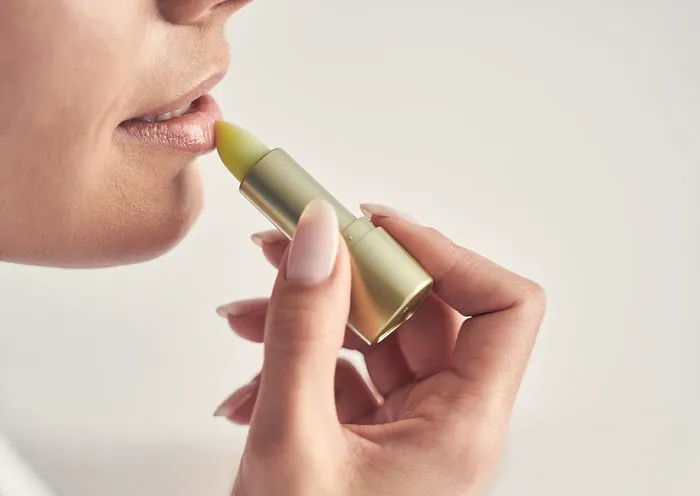
2. Fragranced or Flavored Lip Balms
Who doesn't love a lip balm that smells like vanilla, strawberries, or peppermint? Unfortunately, those delicious scents and flavors aren't always the best choice for your lips, especially during the colder months. Added fragrances and flavoring agents can trigger irritation or allergic contact dermatitis in some people, leading to dryness, redness, itching, and peeling. Certain ingredients, including cinnamon, mint, and citrus flavorings, can be particularly irritating to sensitive lips. Flavored balms may also tempt you to lick your lips more frequently, which can make dryness worse as saliva evaporates. If your lips are constantly chapped despite frequent applications, switching to a fragrance-free, unflavored formula may help them feel more comfortable.
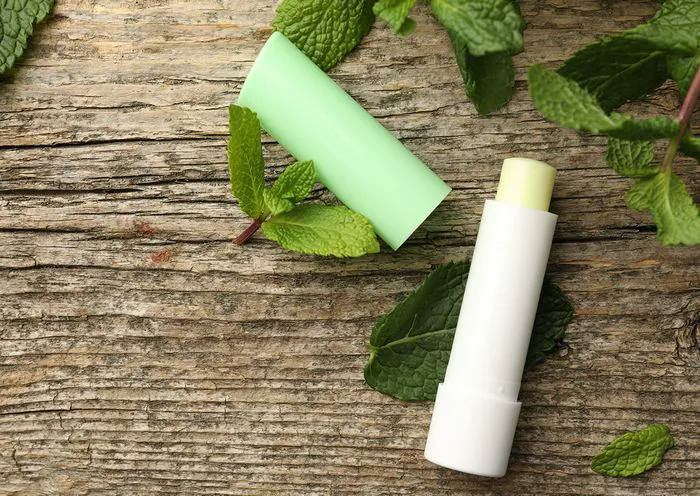
3. Lip Balms With Camphor or Phenol
Camphor and phenol are sometimes added to medicated lip balms because they create a cooling or numbing sensation that can make sore, chapped lips feel better temporarily. But while these ingredients may offer short-term relief, they aren't necessarily helping your lips recover. Both can cause irritation, particularly when applied repeatedly to skin that's already dry, cracked, or inflamed. Phenol, in particular, can be harsh on compromised skin, while camphor may cause stinging, burning, or contact dermatitis in sensitive individuals. If you're dealing with persistent winter dryness, dermatologists generally recommend sticking with a simple, nonmedicated lip balm that protects the skin barrier rather than one that relies on cooling or numbing ingredients.