




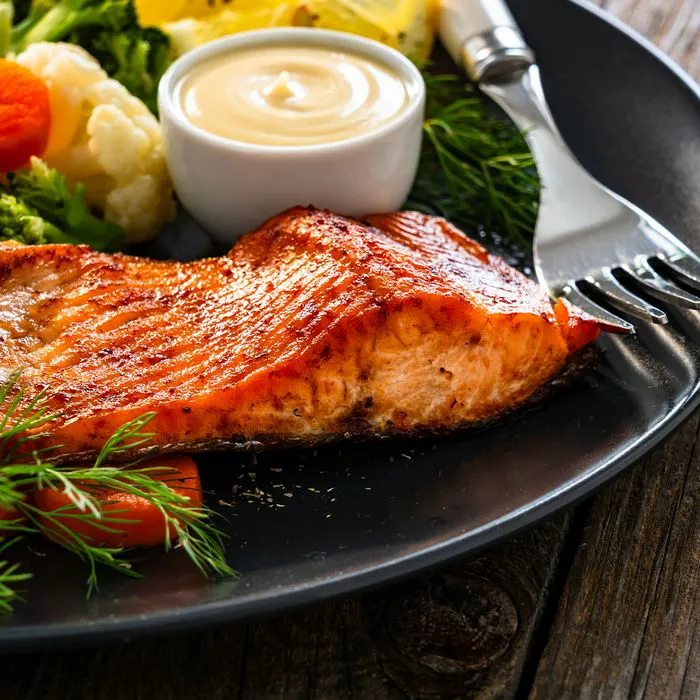
When it comes to healthy eating, the Mediterranean and DASH diets often get most of the attention. But another eating pattern has been gaining recognition for its focus on whole, nutrient-rich foods: the Nordic diet.
Health and wellness creator Liam Layton recently highlighted the Nordic diet in a video, calling it “the healthiest diet you’ve never heard of.” He explained that while the diet is similar to the Mediterranean diet, it has its own regional approach to healthy eating and is particularly popular across Northern Europe.
“Most people think of the healthiest diet as the Mediterranean or DASH diet, and for good reason,” Layton said. “But six months on this diet without weight loss could significantly improve your health.”
So, what exactly is the Nordic diet, and can it help with weight management?

Women Are Swapping Their Boring Water For This Ice Pop Electrolyte Mix!
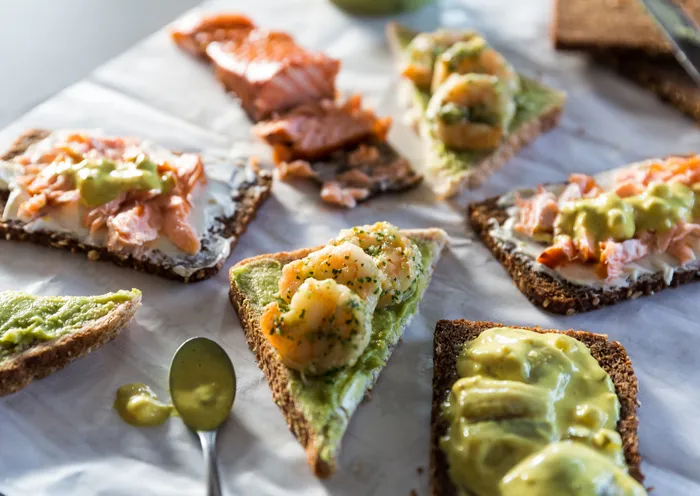
What Is The Nordic Diet?
The Nordic diet is a plant-forward eating pattern inspired by traditional foods from Northern European countries. Like the Mediterranean diet, it emphasizes minimally processed foods, plant foods and sources of unsaturated fats.
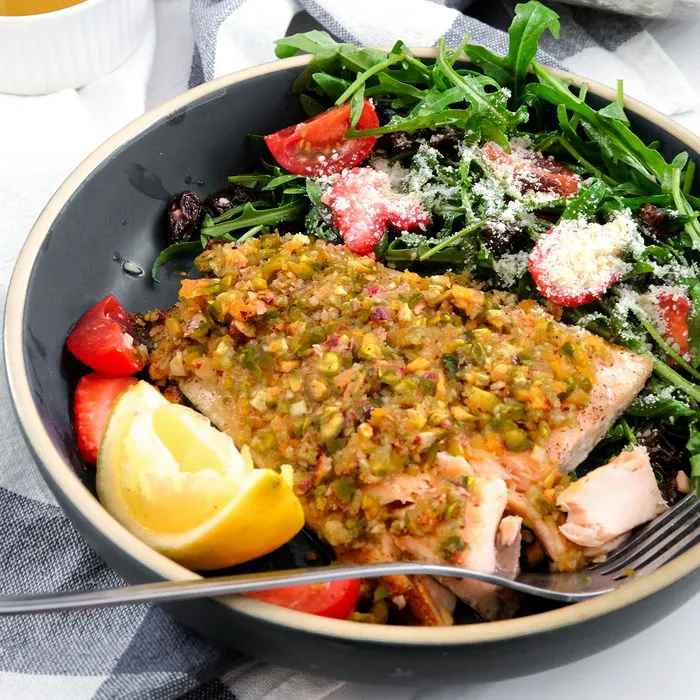
According to Layton, some of the diet's staples include whole grains, berries, fatty fish, beans and peas, root vegetables and tubers, nuts and seeds, beets and canola oil.
"Similar to the Mediterranean diet, it is plant forward with emphasis on healthy fats," Layton explained.
Rather than focusing on eliminating specific food groups, the Nordic diet centers on adding more nutrient-dense foods to everyday meals.
Clinical trials such as this one show significant drops in fasting glucose, insulin resistance, systolic blood pressure, and LDL cholesterol.
Can The Nordic Diet Help You Lose Weight?
The Nordic diet isn't specifically a crash diet or rapid weight-loss plan. Instead, its emphasis on whole grains, vegetables, berries, legumes, fish, nuts and seeds may make meals more filling and nutrient-dense.
Foods such as beans, peas, whole grains and root vegetables contain fiber, which can help support feelings of fullness.
Meanwhile, fatty fish, nuts and seeds provide healthy fats and protein that can make balanced meals more satisfying. Weight loss ultimately depends on a person's overall calorie intake, activity level, metabolism and other individual factors.
Simply following the Nordic diet does not guarantee weight loss.
However, replacing highly processed, calorie-dense foods with more whole foods may make it easier for some people to maintain a balanced diet and manage their weight over time.

What Foods Can You Eat On The Nordic Diet?
One of the easiest ways to follow the Nordic diet is to focus on the foods Layton highlighted in his video.
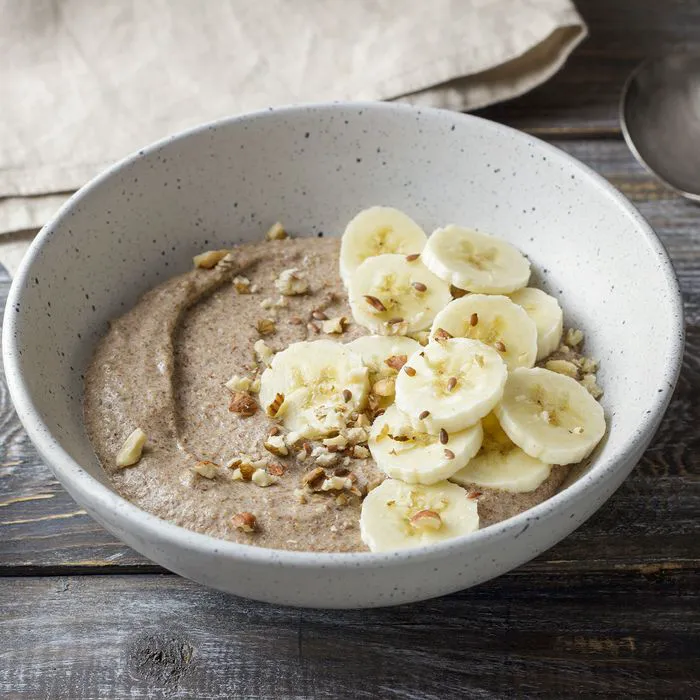
Whole grains: Choose nutrient-rich grains such as oats, rye and barley, which can provide fiber and help make meals more filling.
Berries: Blueberries, strawberries, raspberries and other berries provide fiber and a variety of vitamins and plant compounds.
Fatty fish: Salmon, sardines, herring and similar fish provide protein and omega-3 fatty acids.
Beans and peas: Legumes are a source of plant-based protein and fiber and can be added to soups, salads, stews and grain bowls.
Root vegetables and tubers: Beets, carrots, potatoes and other root vegetables can provide carbohydrates, fiber and important nutrients.
Nuts and seeds: Almonds, walnuts, sunflower seeds and other varieties can add healthy fats, protein and fiber to meals.
The overall idea is simple: build meals around whole and minimally processed foods while incorporating plenty of plants, healthy fats and nutrient-dense carbohydrates.
Is The Nordic Diet Healthy?
The Nordic diet shares many principles with other well-studied healthy eating patterns, particularly its emphasis on vegetables, fruits, whole grains, legumes, fish and unsaturated fats.
Experts also emphasizes that the potential benefits aren't necessarily limited to the number on the scale. Following the diet for several months could potentially support health even without weight loss. Still, no single eating pattern is universally best for everyone.
People with specific medical conditions, dietary restrictions or nutritional needs should speak with a doctor or registered dietitian before making major dietary changes.