




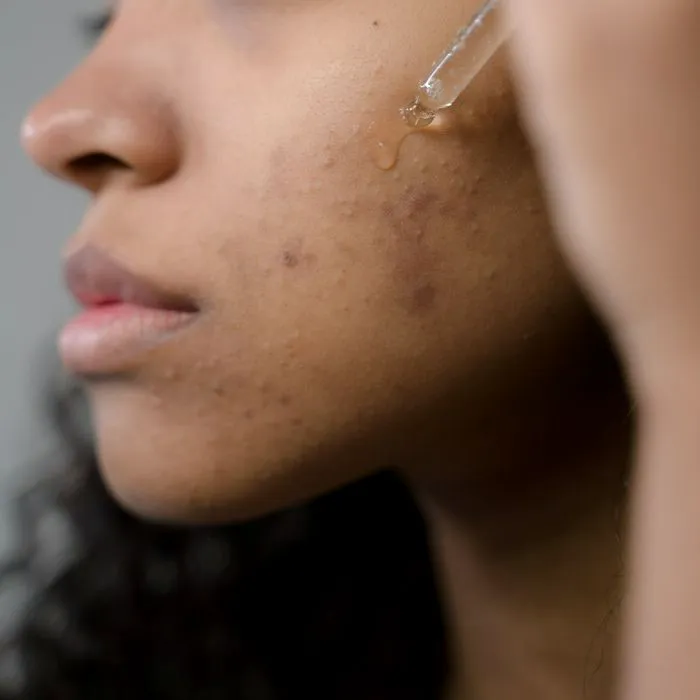
If your complexion feels rough, bumpy, or uneven no matter how many products you try, you’re not alone. Textured skin is a common concern that can be caused by dead skin buildup, clogged pores, dehydration, acne, or even an impaired skin barrier. The good news? According to board-certified dermatologist Mamina Turegano, MD, FAAD, a few simple skincare changes can go a long way toward creating a smoother, healthier-looking complexion.
“If you were my patient and you’re dealing with textured skin, these are the four things I would recommend using,” Dr. Turegano says. Here are the dermatologist-approved tips she recommends.

Women Are Swapping Their Boring Water For This Ice Pop Electrolyte Mix!
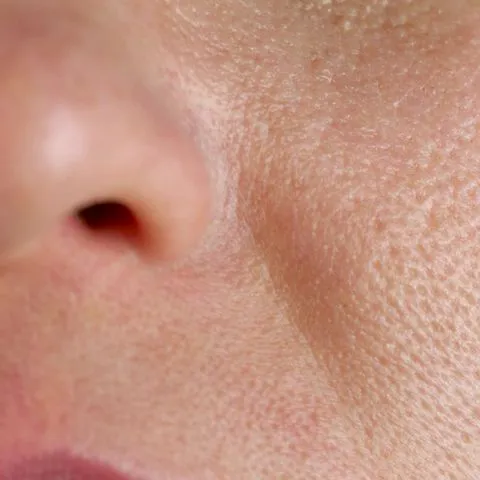
1. Use a Gentle Glycolic Acid Exfoliant
One of the first steps to smoother skin is getting rid of the dead skin cells that can accumulate on the surface. Dr. Turegano recommends using a gentle exfoliating product—ideally one formulated with glycolic acid—a few times each week.
"Glycolic acid helps remove excess dead skin," she explains. Because glycolic acid is an alpha-hydroxy acid (AHA), it works by loosening the bonds between dead skin cells, revealing fresher, brighter skin underneath.
Just be careful not to overdo it, as excessive exfoliation can irritate your skin and weaken its protective barrier.
2. Add a Retinoid to Your Routine
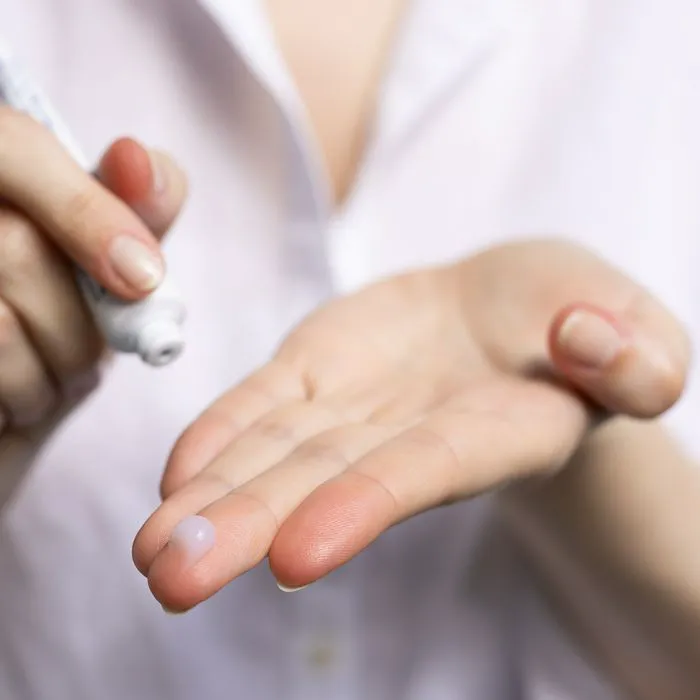
Retinoids remain one of the gold-standard ingredients for improving skin texture. Whether you use a prescription-strength retinoid like tretinoin or an over-the-counter option such as adapalene, Dr. Turegano says these vitamin A derivatives help increase skin cell turnover.
"This increases skin cell turnover and also gives you smoother skin," she says. With consistent use, retinoids can help refine rough patches, minimize clogged pores, and improve the appearance of fine lines and uneven texture.
3. Prioritize Hydration and Barrier Support
Hydrated skin naturally looks smoother and healthier than skin that's dry or compromised. Dr. Turegano recommends choosing moisturizers that contain ingredients known to strengthen the skin barrier, including:
- Ceramides
- Hyaluronic acid
- Squalane
"Regular moisturization is going to make your skin healthier and work better," she explains. These ingredients help lock in moisture while supporting the skin's natural protective barrier, making it better equipped to repair itself.
4. Avoid Habits That Can Make Texture Worse
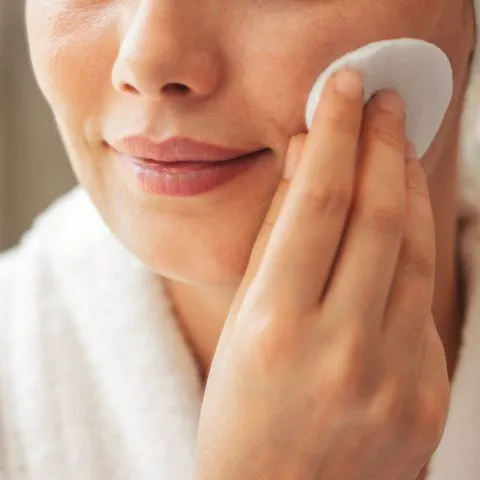
Sometimes, textured skin isn't just about the products you use—it's also about the habits you keep. Dr. Turegano recommends avoiding triggers that can contribute to rough or congested skin, including pore-clogging makeup and failing to properly cleanse your face at the end of the day.
She notes that not thoroughly removing makeup or inadequately washing your face can leave behind oil, debris, and product buildup that may contribute to uneven skin texture over time.
The Bottom Line
While textured skin can be frustrating, it doesn't have to be permanent. By incorporating gentle exfoliation, a retinoid, a barrier-supporting moisturizer, and healthy cleansing habits into your routine, you can help your skin look smoother and feel healthier over time. As Dr. Turegano reminds patients, "Textured skin isn't forever." With consistency and the right skincare routine, noticeable improvements are possible.