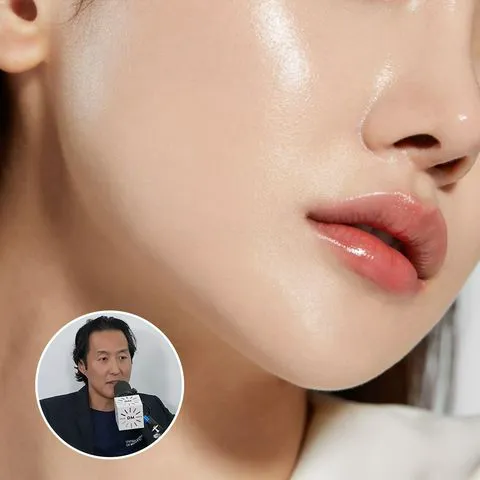





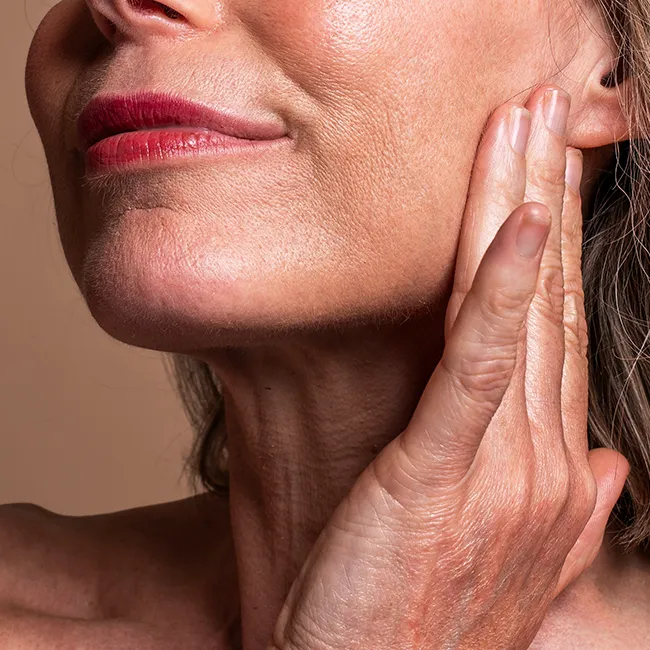
Many women expect some skin changes as they age, but what often comes as a surprise is just how dramatically the skin can shift after menopause. Increased dryness, thinning skin, loss of firmness, deeper wrinkles, and slower healing can seem to happen almost overnight—and according to board-certified plastic surgeon Anthony Youn, there’s a scientific reason for it.
Speaking on the unPAUSED podcast, Dr. Youn explained that menopause triggers a significant decline in collagen, the structural protein responsible for keeping skin firm, plump, and resilient.

Women Are Swapping Their Boring Water For This Ice Pop Electrolyte Mix!
The Collagen Connection
Collagen naturally decreases as we age. According to Dr. Youn, both men and women begin losing collagen in their mid-20s at a rate of roughly 1% per year.
However, women experience a much steeper decline after menopause due to falling estrogen levels.
"Studies show that women lose 30% of the thickness of their collagen in the first five years after menopause," Dr. Youn explained. That's a dramatic change in a relatively short period of time, and it's one of the main reasons skin can suddenly appear thinner, looser, and more fragile after menopause.
Why Estrogen Matters For Skin
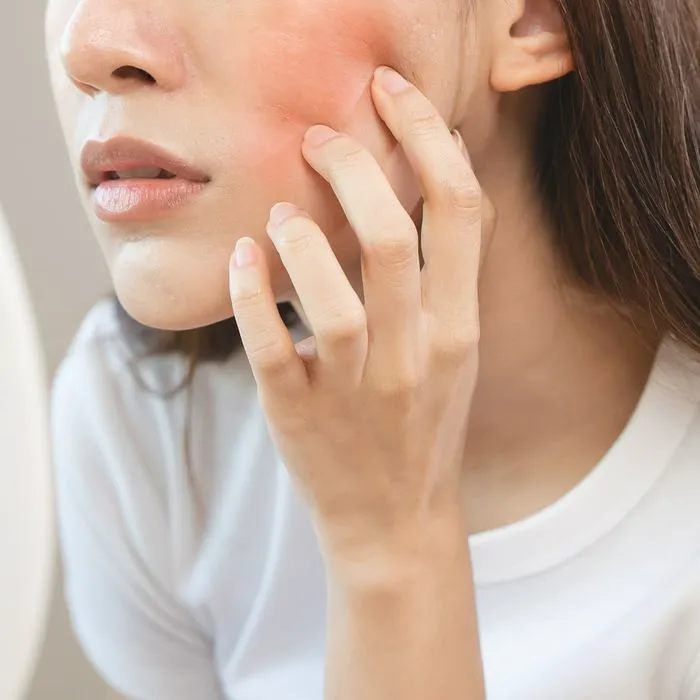
Estrogen plays a major role in maintaining healthy skin. The hormone helps stimulate collagen production, supports hydration, improves elasticity, and aids in wound healing. When estrogen levels decline during menopause, those protective effects begin to fade. As a result, many women notice:
- Increased fine lines and wrinkles
- Loss of skin firmness and elasticity
- Dryness and dehydration
- More visible crepiness
- Thinner, more delicate skin
- Slower recovery from irritation or injury
Dr. Youn noted that the effects become especially noticeable later in life. "That's why you see women in their 70s or 80s with tissue-paper-thin skin," he explained, adding that in some cases the skin becomes so fragile that minor scratches can cause tearing.
Why Men's Skin Ages Differently
While men also lose collagen over time, they don't experience the same sudden hormonal shift associated with menopause. Because testosterone declines more gradually than estrogen, men generally don't undergo the rapid collagen loss women experience during the first years after menopause.
This helps explain why severely thinning skin is often more common among older women than older men.
Can You Slow The Process?
While menopause-related collagen loss is a natural part of aging, experts say there are steps that may help support healthier skin:
- Wear sunscreen daily to protect existing collagen
- Use retinoids or retinol products to encourage collagen production
- Eat adequate protein and antioxidant-rich foods
- Stay hydrated
- Avoid smoking
- Consider collagen-supporting ingredients such as peptides and vitamin C
Some women may also discuss hormone replacement therapy (HRT) with their healthcare provider, as estrogen can influence skin health, though treatment decisions should always be personalized.
The Bottom Line
The biggest reason skin changes so noticeably after menopause isn't simply getting older—it's the dramatic drop in estrogen that accelerates collagen loss.
According to Dr. Youn, women can lose up to 30% of their skin's collagen thickness within the first five years after menopause, contributing to thinner, drier, and less resilient skin. Understanding the hormonal connection can help explain these changes and guide a more targeted approach to skincare during midlife and beyond.