





Menopause can bring a wide range of changes, from hot flashes and disrupted sleep to mood swings, fatigue and changes in bone health. As a result, many women turn to supplements in hopes of easing symptoms or supporting their overall health. But just because a supplement is marketed as “natural” or beneficial for menopause doesn’t necessarily mean it’s right for everyone.
Some supplements can interact with medications, affect hormone levels or cause unwanted side effects when taken in high doses. We spoke with general practitioner Dr. Maria Knobel about several popular supplements women may want to approach with caution during menopause.

Women Are Swapping Their Boring Water For This Ice Pop Electrolyte Mix!

1. Vitamin D
Vitamin D is one of the most common and popular supplements out there, especially because it's something you can't get from food, and many people find that they need to supplement it as they get older to prevent and ease symptoms or conditions like osteoporosis. However, menopausal women are urged to take caution before taking it.
"Vitamin D should be carefully dosed during the menopausal years because moderate amounts support strong bones, but high doses can increase the amount of calcium in the blood and create an imbalance that will disrupt hormone signaling and can manifest as fatigue, irritation, or disrupted sleep patterns instead of relief from menopause symptoms," says general practitioner Dr. Maria Knobel.
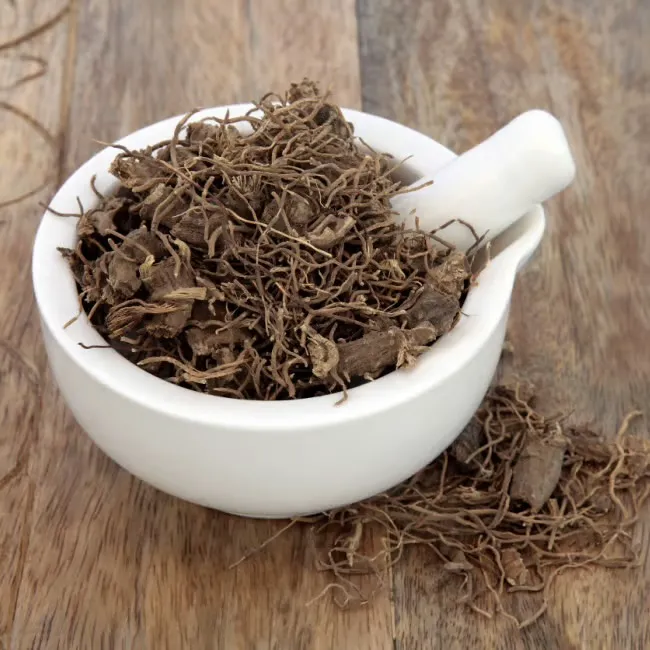
2. Black Cohosh
Some people may not be familiar with black cohosh, a supplement derived from a flowering plant that has been studied for its potential effects on estrogen-related pathways, which could make it appealing to women experiencing menopause.
Still, some health experts believe the inconsistent research and results of the supplement should serve as a warning.
"Black Cohosh is used in many of the menopause blends that are available," explains Dr. Knobel. "But black cohosh does not have consistent results for most women. Black cohosh can influence how a woman's body responds to estrogen receptors, which can cause menopause symptoms to be unpredictable and difficult to read, especially during hot flashes at night or mood changes."
3. Ginseng
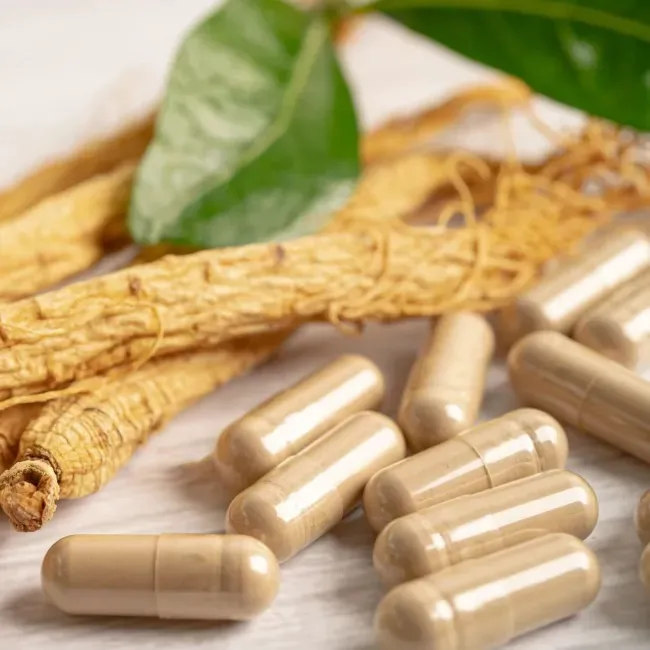
Ginseng is a supplement that is trending more these days, especially in the holistic medicine world. It is said to help boost energy levels, increase brain function and immune support, and even help people manage their stress levels. However, Dr. Knobel says it can create instability hormone-wise.
"Another supplement that can create an unstable environment is Ginseng," she notes. "Ginseng affects the stress hormone cortisol; high levels of cortisol can also block progesterone function."
4. Magnesium
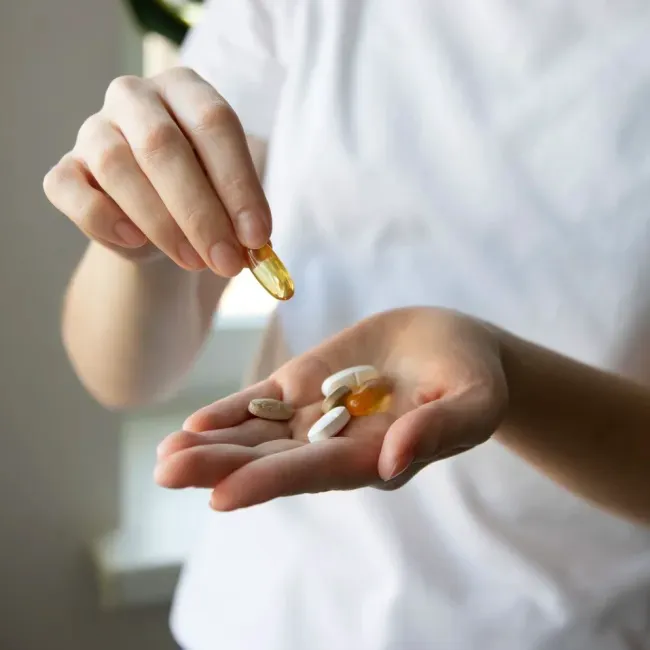
Magnesium is another popular supplement among women in menopause, particularly because it is often promoted for sleep, muscle function and relaxation. While magnesium is an essential mineral, taking more than your body needs does not necessarily provide additional benefits and can cause side effects.
High doses of magnesium from supplements can lead to diarrhea, nausea and abdominal cramping. Women with kidney problems should be particularly cautious because their bodies may have difficulty clearing excess magnesium.
Rather than assuming more is better, women should consider whether they actually need supplementation and discuss the appropriate dose with a healthcare professional, particularly if they take medications or have an underlying health condition.
5. DHEA
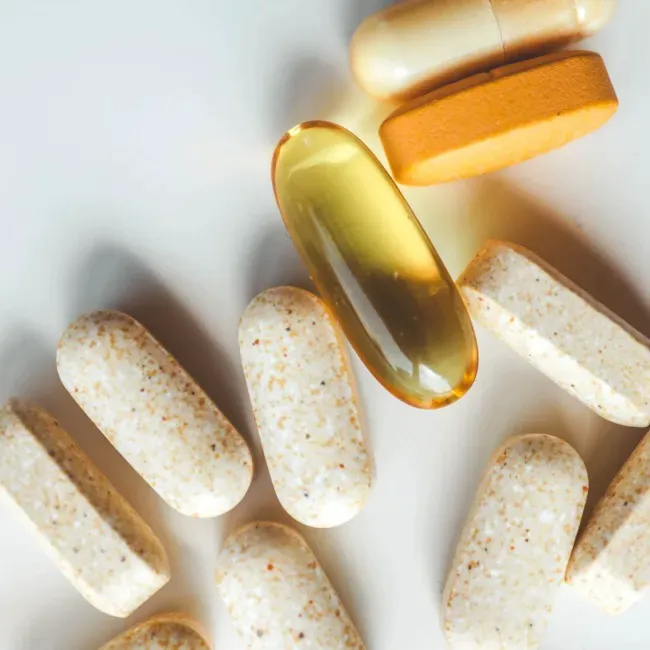
DHEA is a hormone naturally produced by the body that can be converted into both estrogen and testosterone. It is sometimes marketed as a supplement for women experiencing menopause-related changes in sexual health, energy and overall well-being.
However, because DHEA can affect hormone levels, it isn't something women should casually add to their routine without medical guidance. Potential side effects can include acne, oily skin, unwanted hair growth and changes in mood, while its effects can vary significantly from person to person.
Women considering DHEA should speak with their doctor before taking it, particularly if they have a hormone-sensitive condition or are already using hormone therapy.