


Losing weight is typically not the easiest feat—and your weight loss goals can become especially elusive when you enter middle age as a women. Several factors play a role in this frustrating difficulty, from lifestyle changes to the hormonal shifts that come with menopause. However, one of the most important things to can do if you want to shed pounds and avoid belly fat in your 40s is to prioritize a healthy diet. There are several food mistakes you could be falling victim to that are holding you back from acheiving your dream body.
To shed some light on a few of the most belly fat-forming pitfalls for women over 40, we spoke to health experts Jesse Feder, personal trainer & registered dietitian; Andrew White, NASM-certified personal trainer and co-founder of garagegympro.com; Mary Sabat, MS, RDN, LD; and functional nutrition practitioner Courtney Saye. From munching on empty carbs to indulging in late night snacks, find all of their warnigns below.

Struggling With Sleep? This Rechargeable Sound Machine Is A Total Game-Changer

1. Empty Carbs
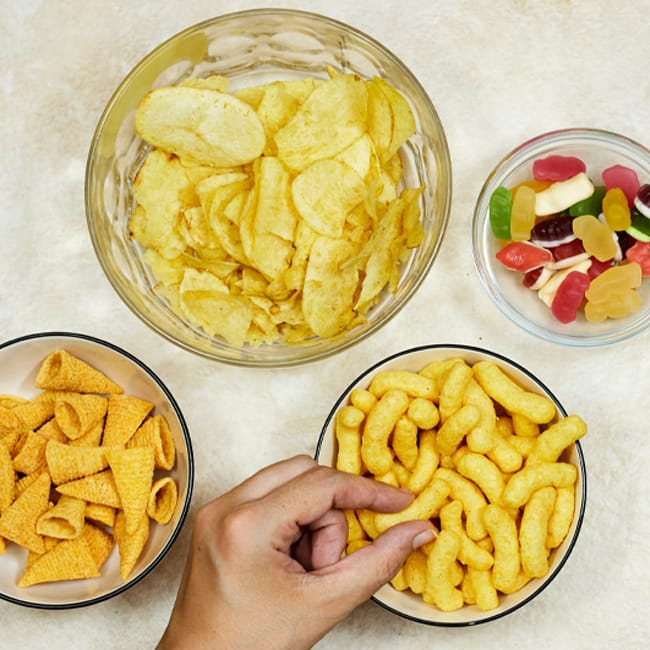
Indulging in "empty carbs," which are carbohydrate-rich foods lacking sufficient protein or fiber, can inadvertently contribute to weight gain and heightened inflammation. Especially processed and refined carbohydrates, which can cause rapid spikes in blood sugar levels followed by quick crashes. These fluctuations trigger hunger and cravings, often leading to overeating and, subsequently, weight gain.
"Look, carbs are fine," Saye says. "They are not the enemy. But carbs that aren't paired with fat and protein are a nightmare for your blood sugar. When you send your blood sugar skyrocketing and then it tanks, this slows your metabolism. If you want to have an apple in the afternoon, add some peanut butter or a piece of cheese. If you want to have a slice of toast add some avocado and smoked salmon."

2. Consuming Late-Night Snacks
We all love a midnight snack, but eating late at night often means that the body has less time to metabolize and burn off the calories consumed, which can result in an increased likelihood of these calories being stored as fat, particularly around the abdominal area. Additionally, late-night snacks may lead to disruptions in sleep patterns, as the digestive process can interfere with restful sleep, and poor sleep quality has been associated with weight gain and fat retention, including in the belly region.
"Eating late at night, especially right before bedtime, can be problematic for several reasons. First, your body's metabolism tends to slow down as you prepare for sleep, so calories consumed during this time may be less efficiently burned. Second, late-night snacking can disrupt your sleep patterns, which in turn can affect hormonal regulation and appetite control," Sabat notes.

3. Overloading on Fiber
While fiber is essential for digestive health and can aid in weight management by promoting feelings of fullness, consuming too much of it, especially if your body is not accustomed to high-fiber foods, can overwhelm the digestive system.
White shares that "consuming a large amount of fiber in the morning, especially from processed sources like fiber-enriched cereals or bars, can overwhelm your digestive system if it's not a regular part of your diet." Too much of it can cause bloating, gas, and discomfort, which might lead to temporary belly distension.
Instead, he recommends increasing your fiber intake gradually and distributing it evenly throughout the day. Choose natural sources of fiber, including vegetables, fruits, whole grains, and legumes, instead of processed ones, which may be higher in calories.

4. Eating Too Fast
This mistake may come as a surprise, but many people are guilty of this mishap without realizing it. When we're hurriedly preparing for work, meetings, or errands, we often quickly consume our meals without mindful chewing.
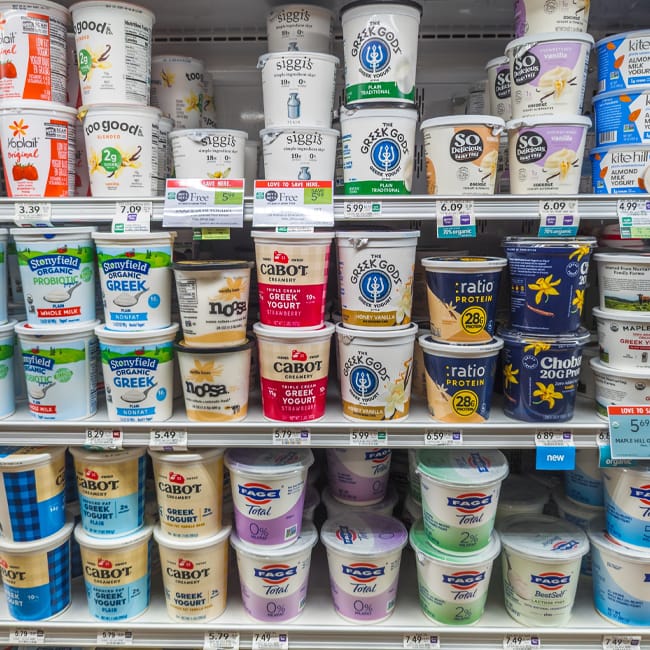
White says chewing is "essential" for proper digestion and adds, "Eating too quickly can lead to swallowing air, which contributes to bloating. Additionally, it might prevent you from fully breaking down the food, causing gut discomfort and reduced nutrient absorption." When we're rushing, we often opt for convenient choices like granola bars, sweetened yogurts, and pastries, all of which are high in sugar. This tendency can contribute to weight gain and a lack of nutritious breakfast options.
To promote better digestion, prevent bloating, and belly fat accumulation, it's important to slow down and savor each bite, allowing time for proper chewing and digestion.

5. Skipping Protein
Protein plays a crucial role in keeping us feeling full and satisfied, so when we skip it, we're more likely to experience cravings and overeat later in the day. This can lead to bloating and discomfort as our bodies struggle to digest large meals if we decide to eat all at once.
White elaborates further and says, "Inadequate protein intake at breakfast can fail to stimulate satiety hormones, leading to overeating and potential weight gain."
Instead, try to incorporate a quality protein source into your breakfast, such as Greek yogurt, a protein powder-infused smoothie, or eggs.

6. Consuming Too Much Sugar for Breakfast
Starting the day with a breakfast overloaded with sugar sets a precarious tone for both metabolism and energy levels. High-sugar breakfast options like sweetened cereals, pastries, and sugary drinks cause rapid spikes in blood sugar, followed by crashes that leave us craving more sugar or refined carbohydrates. Over time, this cycle can disrupt insulin sensitivity, leading to increased fat storage, particularly around the abdomen.
Feder reveals that consuming things such as high-sugar cereals can "lead to belly fat, bloating, and gut issues as well. The high sugar content can lead to inflammation and disrupt our gut bacteria."
White suggests opting for a well-rounded breakfast featuring protein, healthy fats, and fiber. Consider options like oatmeal topped with nuts and seeds or eggs paired with whole-grain toast and avocado.