




When it comes to maintaining firm, youthful-looking skin, collagen often steals the spotlight. While collagen supplements have surged in popularity, dietitian and nutrition educator Maria Lucey says you don’t necessarily need to consume collagen itself to support your skin.
Instead, she explains that your body is capable of producing collagen naturally—as long as it has the right nutrients to do the job. From getting enough protein to eating vitamin-rich foods, here’s what to add to your diet if you want to support healthy collagen production.

Women Are Swapping Their Boring Water For This Ice Pop Electrolyte Mix!
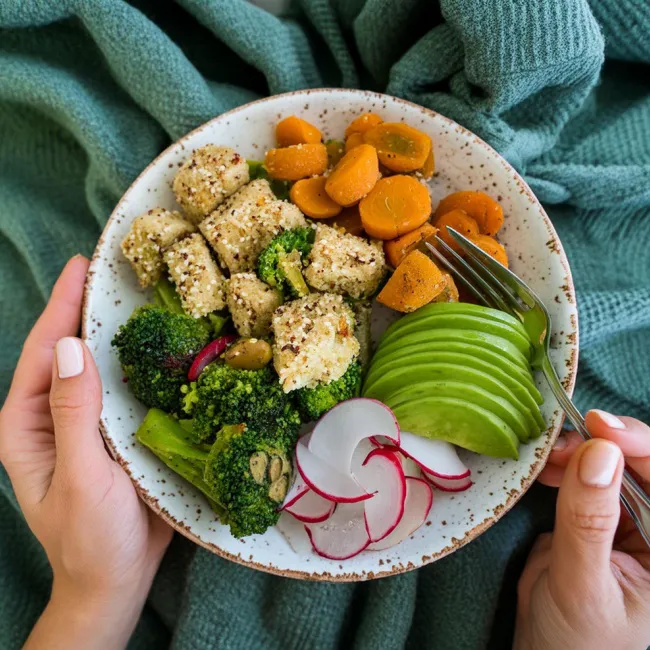
1. Prioritize Protein at Every Meal
According to Lucey, the most important step in preserving collagen is making sure you're eating enough protein. "Protein helps ensure that our body has enough of the building blocks that it needs in order to make collagen," she explains.
The good news? Your body doesn't require collagen-rich foods specifically. Instead, it breaks down protein into amino acids, which it then uses to create collagen on its own.
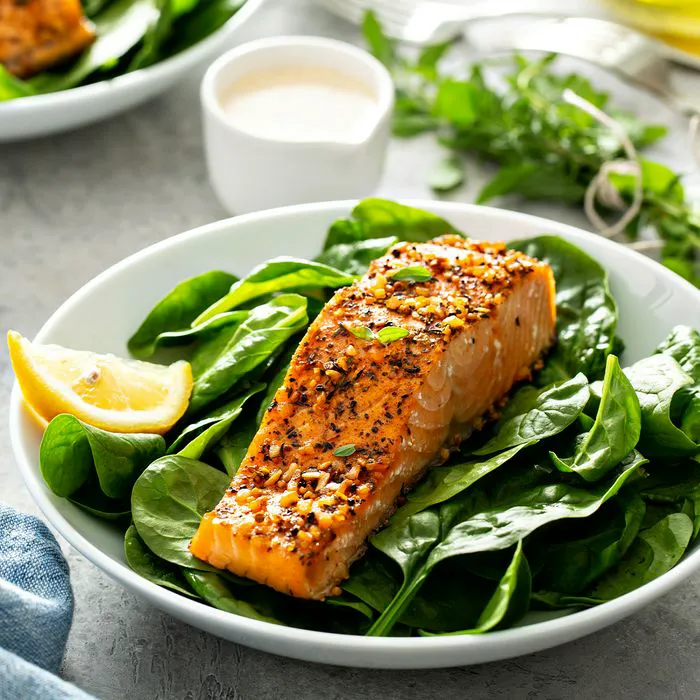
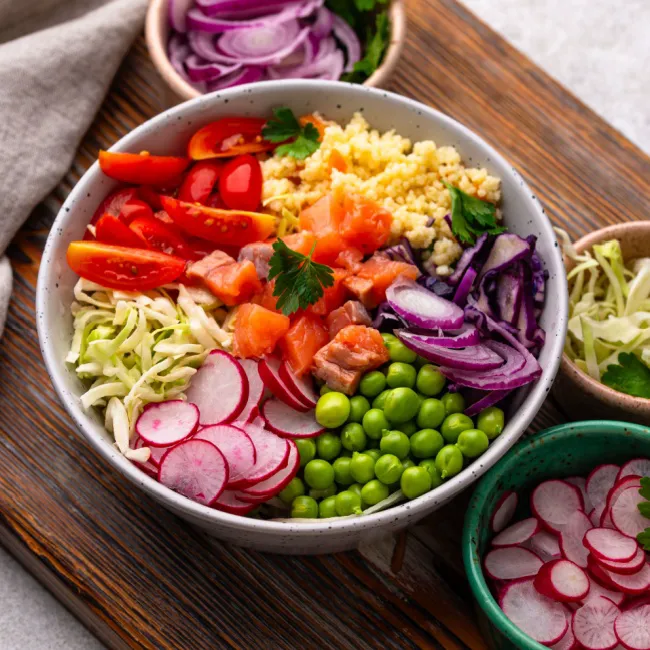
That means people following vegan, vegetarian, or omnivorous diets can all support collagen production by eating a variety of protein-rich foods. Some of Lucey's recommended options include:
- Beans
- Lentils
- Chickpeas
- Peas
- Tofu
- Eggs
- Dairy products
- Lean meat
Eating a diverse range of protein sources helps ensure your body has the amino acids it needs to maintain healthy skin and connective tissues.
2. Fill Up on Vitamin C
Once your body has the amino acids needed to build collagen, it also relies on certain vitamins to support the process. One of the most important is vitamin C, which plays a key role in collagen synthesis. According to Lucey, vitamin C-rich foods include:
- Oranges and other citrus fruits
- Bell peppers
- Broccoli
Including these foods regularly may help support your body's natural collagen production while also providing antioxidant protection against free-radical damage that contributes to skin aging.
3. Don't Forget Vitamin E
Vitamin E is another nutrient Lucey highlights for supporting collagen production and protecting skin from oxidative stress. She recommends eating foods such as:
- Almonds
- Sunflower seeds
- Peanuts
- Avocados
- Dark leafy greens
Vitamin E works as an antioxidant, helping defend skin cells against environmental damage while complementing vitamin C's role in maintaining healthy skin.

The Bottom Line
While no single food can stop the aging process, eating a balanced diet rich in protein, vitamin C, and vitamin E gives your body the nutrients it needs to produce collagen naturally. Instead of focusing solely on collagen supplements, building your meals around these whole foods may help support stronger, healthier skin from the inside out.