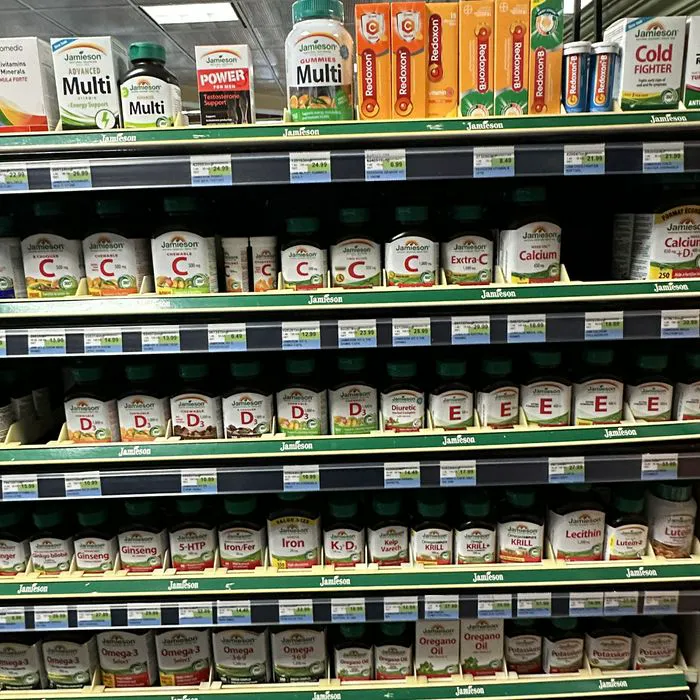


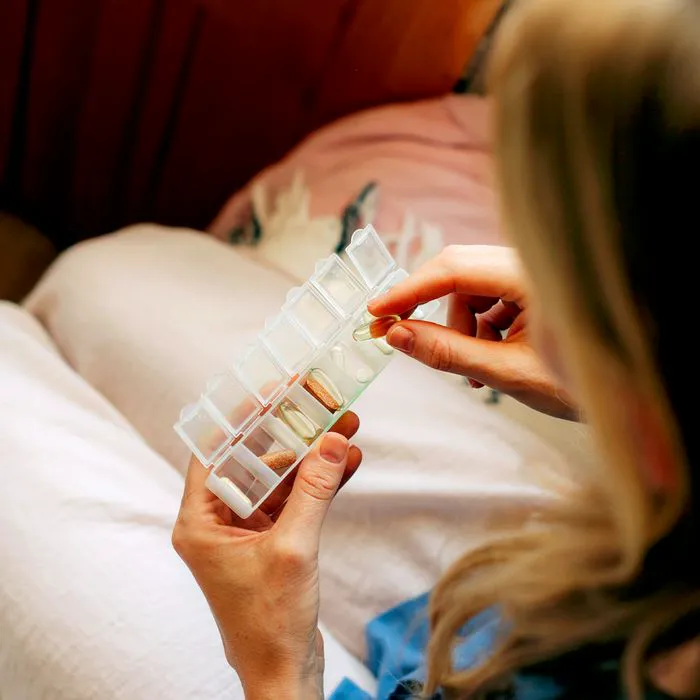


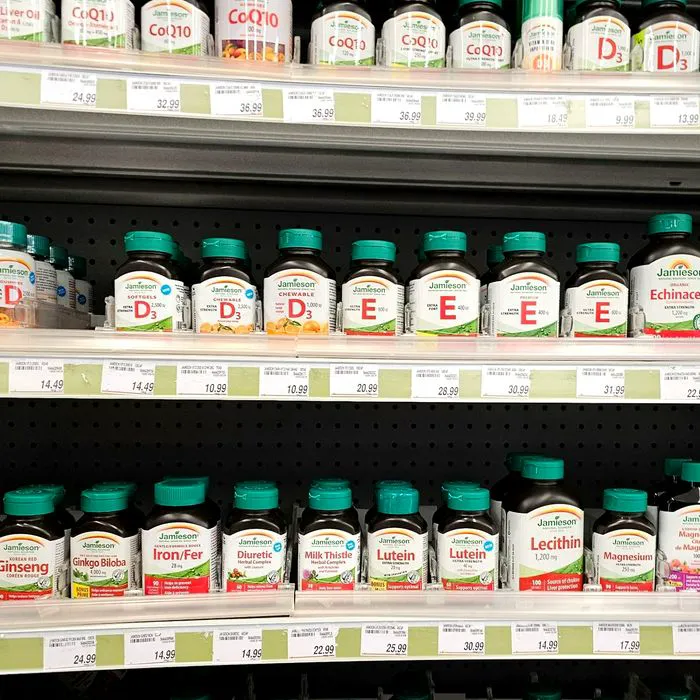
When it comes to healthy aging, it’s tempting to believe that a daily supplement can help us maintain our energy, protect our skin, and keep our bodies functioning at their best. And with so many vitamins, minerals, and trendy supplements promising everything from fewer wrinkles to better brain health, it can be difficult to know which ones are actually worth taking. While certain nutrients play an important role in supporting our health as we get older, not every supplement delivers on its promises. In fact, some popular options may do more harm than good, especially when taken in high doses or without a specific nutritional need.
Supporting healthy aging doesn’t have to involve an overflowing medicine cabinet or an expensive supplement routine. Making informed choices about what you put into your body can go a long way toward helping you feel your best at every stage of life. Here are three popular supplements that may work against your healthy aging goals, along with two better alternatives worth considering for long-term health and wellness.

Women Are Swapping Their Boring Water For This Ice Pop Electrolyte Mix!
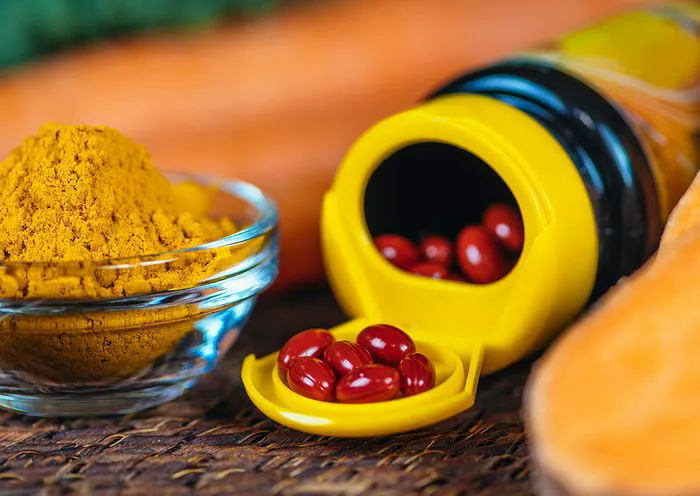
1. May Work Against: Beta-Carotene
Although it's an antioxidant, taking beta-carotene supplements hasn't been shown to protect against aging-related conditions. More concerning, research has linked high-dose beta-carotene supplements to an increased risk of lung cancer in people who smoke or have been exposed to asbestos. A better approach is to enjoy beta-carotene-rich foods like carrots, sweet potatoes, pumpkin, and leafy greens. These colorful vegetables offer fiber, vitamins, and other beneficial compounds without the same demonstrated risks associated with high-dose supplements.
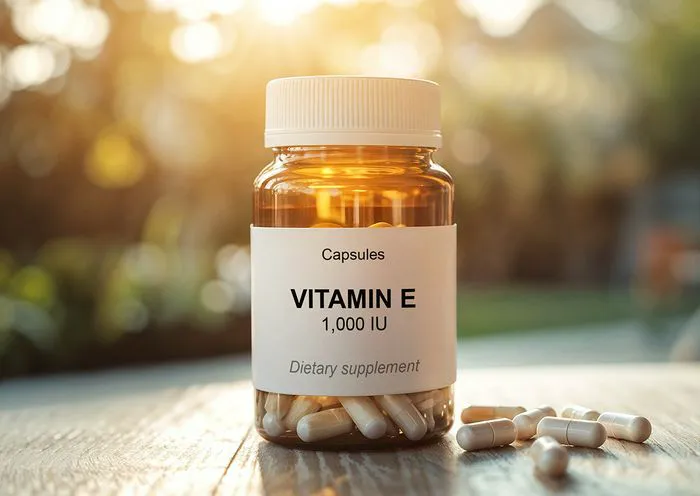
2. May Work Against: Vitamin E
Vitamin E is a powerful antioxidant that helps protect cells from damage caused by free radicals, which is why it's often promoted as a supplement for healthy skin and aging. But taking high doses of vitamin E hasn't been shown to slow the aging process or prevent age-related diseases. In fact, excessive supplementation may increase the risk of bleeding, particularly for people taking blood-thinning medications. Rather than relying on high-dose supplements, consider getting vitamin E naturally through foods like almonds, sunflower seeds, spinach, and avocados, which provide additional nutrients that support overall health.
3. May Work Against: Vitamin A
Vitamin A plays an important role in maintaining healthy skin, vision, and immune function, but more isn't necessarily better. Because vitamin A is fat-soluble, the body stores excess amounts rather than eliminating them quickly. Taking too much preformed vitamin A, particularly in the form of retinol supplements, can lead to toxicity and may contribute to liver damage and weakened bones over time. Unless a healthcare professional recommends supplementation, most people are better off meeting their vitamin A needs through a balanced diet that includes eggs, dairy products, leafy greens, and orange vegetables.
4. Consider: Omega-3 Fatty Acids
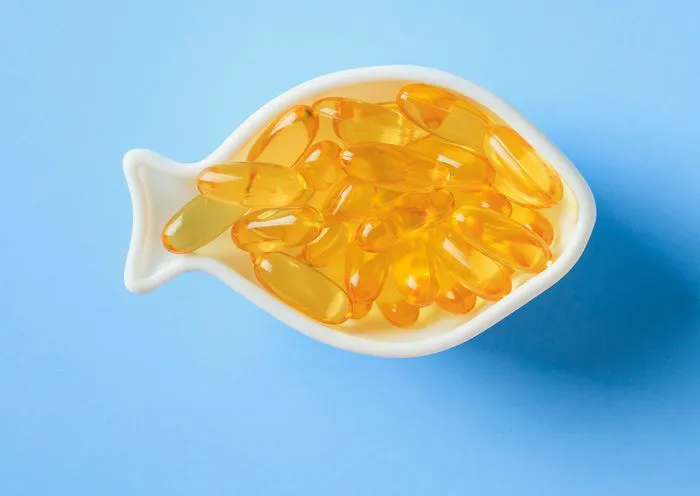
Omega-3 fatty acids are among the nutrients worth considering for healthy aging, thanks to their important role in supporting heart and brain health. Omega-3s are found naturally in fatty fish like salmon, sardines, and mackerel. They help maintain normal cell function and may offer benefits for certain aspects of cardiovascular health. Some research also suggests they may help support healthy aging, although evidence that supplements prevent cognitive decline or other age-related conditions remains limited. If you don't regularly eat fatty fish, an omega-3 supplement may be worth discussing with your doctor, especially if you have specific nutritional needs.
5. Consider: Creatine
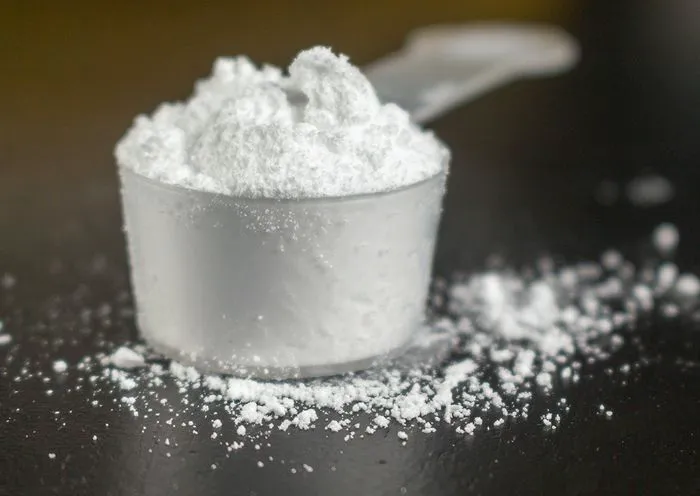
Creatine may be best known as a supplement for athletes and bodybuilders, but its benefits can extend well beyond the gym, particularly as we get older. As we age, we naturally lose muscle mass and strength, which can affect everything from mobility and balance to our ability to perform everyday activities. Research suggests that creatine supplementation, especially when combined with resistance training, can help older adults maintain and build muscle strength and support healthy physical function.