


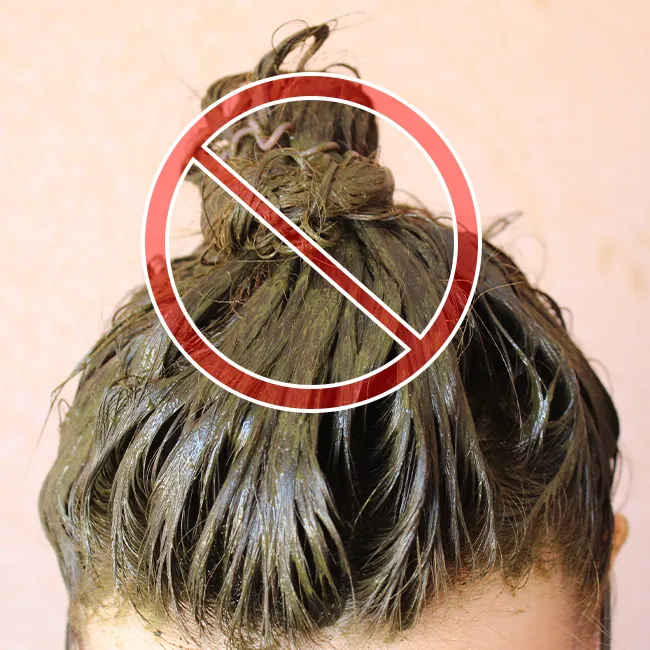
Hair dye has come a long way, and for most people, modern formulas are considered safe when used as directed. But that doesn’t mean every ingredient deserves a free pass, especially if you’re trying to be more mindful about what you put on your body. Some common ingredients found in certain dyes have raised concerns over the years, from scalp irritation to potential long-term health effects, which makes it worth taking a closer look at what’s actually in your color.
You don’t have to give up coloring your hair to make safer choices because there are plenty of gentler, more thoughtfully formulated options available today that can deliver beautiful color results. But if you’re aiming to cut back on potentially toxic products, one expert says there are three specific types of hair dye ingredients and formulas you may want to avoid altogether.
Here’s what to know before buying another box of hair dye.

Women Are Swapping Their Boring Water For This Ice Pop Electrolyte Mix!
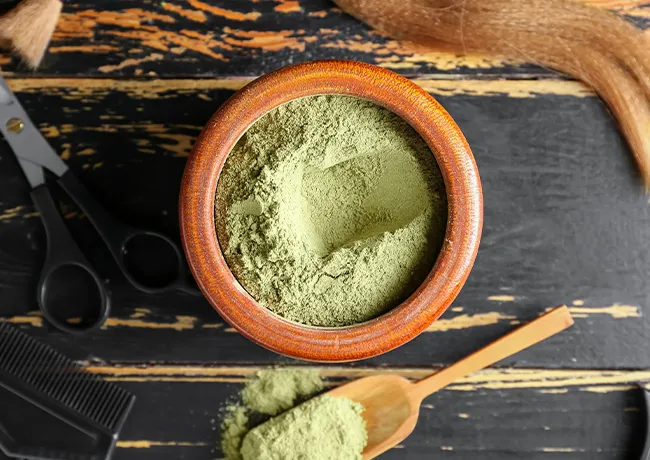
1. Henna (Heavy Metals)
Henna is often marketed as a natural alternative to traditional hair dye, and pure henna itself is generally considered safe. The concern comes with some commercially available “black henna” or pre-mixed formulas, which may be mixed with metallic salts or heavy metals to intensify color or speed up processing time. These additives can build up on the hair over time, potentially leading to dryness, breakage, or unpredictable reactions. While not all henna products contain these ingredients, it’s important to choose high-quality henna brands you trust.
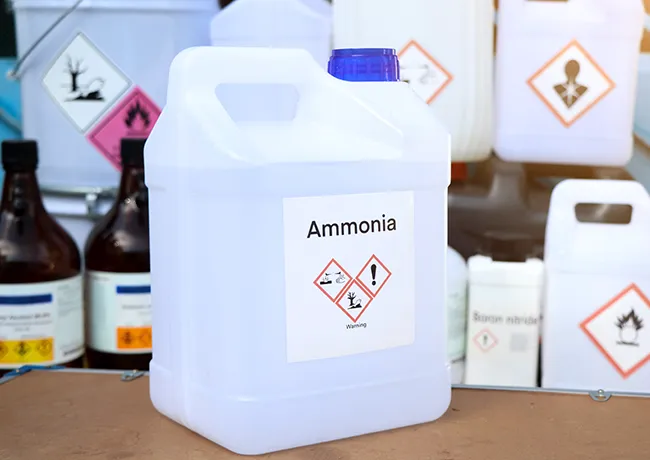
2. Ammonia
Ammonia is commonly used in permanent hair dyes to open the hair cuticle so color can penetrate deeply and last longer. While ammonia is effective, it can be harsh—especially for those with sensitive scalps or already dry or fragile hair. Repeated exposure may contribute to dryness, brittleness, or irritation, and they can carry strong fumes, so it’s always a good idea to open a window when using them. That said, many modern formulas now use lower levels or alternative ingredients, so it’s possible to achieve similar results with less potential stress on the hair and scalp.
3. Darker Hair Dyes
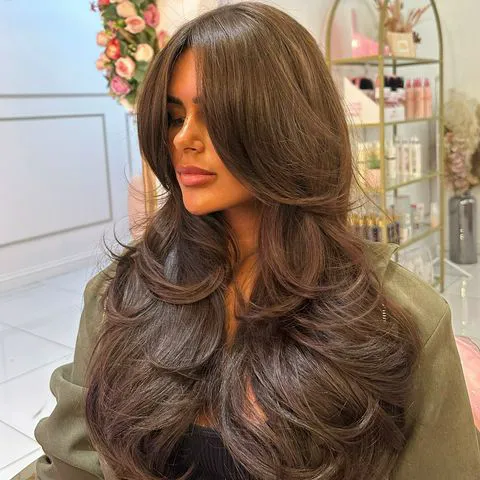
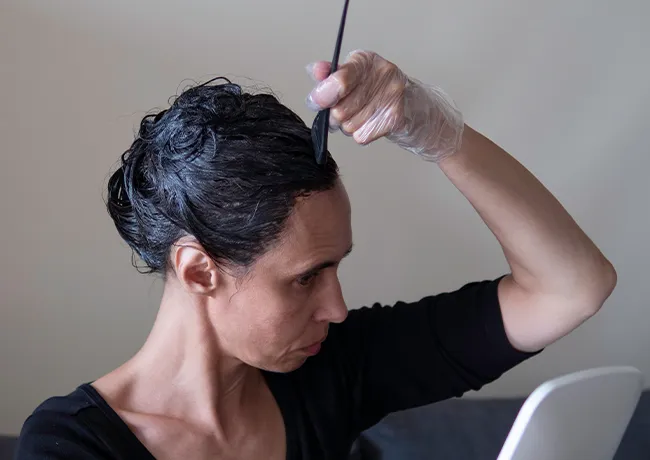
Darker hair dyes like black and deep brown shades, tend to contain higher concentrations of certain chemicals such as para-phenylenediamine (PPD), which helps create long-lasting, rich color. For some, these ingredients can increase the risk of scalp sensitivity or allergic reactions, particularly with repeated use. This doesn’t mean darker dyes are inherently unsafe, but they may require a bit more caution, such as patch testing before application and spacing out treatments. Choosing gentler formulations or consulting a professional can also help minimize potential downsides.