




Disclaimer: This article alone should not be taken as medical advice. The best way to figure out the best plan for your personal health is to speak directly to your doctor.
If your morning routine consists mostly of coffee, you’re likely not doing your body any favors—and a glass of water might not be enough to fix the issue. While drinking water is essential, experts say your body also relies on electrolytes to properly absorb and use that fluid—and that can affect everything from your energy levels to your metabolism. As United Healthcare notes, “electrolytes help your body stay hydrated, regulate pH (acidity) levels, and support muscle and nerve function. They also help regulate blood pressure, blood sugar and heart rate, support your nervous system and much more.”
According to Dr. Mike Ellis, DO, a licensed internal medicine physician, electrolytes aren’t just for marathon runners or elite athletes. They’re essential minerals that help regulate hydration, support healthy cellular function, and keep metabolic processes running efficiently. Read on to learn about what sipping on electrolyte beverages every morning could do for your health.

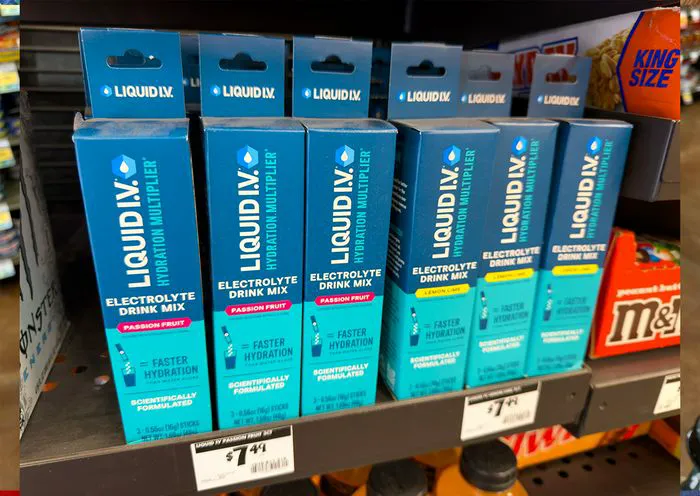
Women Are Swapping Their Boring Water For This Ice Pop Electrolyte Mix!
How Electrolytes Help Your Body Stay Hydrated
Electrolytes—including sodium, potassium, calcium, magnesium, chloride, and phosphate—carry an electrical charge when dissolved in water. These minerals help regulate where water goes in the body and ensure your cells receive the hydration they need.
"The concentration and voltage created by electrolytes play a role in fluid concentration and electrical potentials within the body," Dr. Ellis explains.
He says your body stores fluid in two primary compartments: intracellular fluid (inside your cells) and extracellular fluid (in your bloodstream and around your cells). Sodium and potassium work together to move water between these spaces.
"When we are discussing hydration, these two electrolytes work together," he says. "Sodium will pull fluids into the bloodstream from the kidneys and intestine, and potassium pulls the water from the bloodstream into the cells. This process prevents dehydration [and] assures that water stays where it is needed most."
Without enough electrolytes, simply drinking more water may not provide the hydration your cells actually need.

Why Hydration Matters For Metabolism
Hydration doesn't just influence how you feel—it also plays an important role in metabolism, the process your body uses to convert food into energy and build new tissues.
"Metabolism is the collection of chemical reactions that cause the breakdown of proteins (catabolism)... and the building of proteins and tissues (anabolism)," Dr. Ellis explains.
One electrolyte in particular stands out when it comes to energy production: magnesium.
"Electrolytes, specifically magnesium, play a large role in energy production," he says. "Without magnesium cells are unable to produce energy from glucose or fatty acids for fuel."
He also notes that electrolytes help maintain your body's pH balance. If minerals like sodium and chloride become imbalanced, "the pH will shift which can interrupt protein synthesis."
When dehydration sets in, the consequences extend beyond feeling thirsty.
"Dehydration can lead to low blood volume, a drop in blood pressure and a decrease in blood flow to the tissues," Dr. Ellis says. "Less blood to the tissues means less oxygen and nutrients being delivered to the tissues which leads to less energy development by the cells."
As he puts it, "Dehydration triggers a cascade of loss of electrolytes, which reduces the energy output from the cells which causes metabolic fatigue."
Is Plain Water Enough?
Many people assume drinking large amounts of plain water is the best way to stay hydrated, but Dr. Ellis says hydration is more nuanced than that.
"Pure water without electrolytes does not hydrate," he says. "Your body at the cellular level... actually dilutes your serum sodium which decreases the ability to get water into the cell."
He explains that when sodium levels become diluted, the kidneys quickly eliminate the excess water to restore balance.
"The kidneys will adjust to rapidly excrete the water to restore balance, which is why some people find themselves running to the restroom shortly after drinking a bottle of water," he says.
While water is still essential, pairing it with adequate electrolytes can help your body retain and distribute fluids more effectively.
The Best Electrolyte Drinks, According To Dr. Ellis
Not all electrolyte beverages are created equal. Dr. Ellis recommends avoiding many traditional sports drinks for everyday hydration because of their high sugar content.
"I always advise my patients to avoid sports drinks and supplements with heavy sugar loads unless they are performing heavy exertional activities such as running long distances or heavy and prolonged weight lifting," he says.
For most people, he says excess sugar may actually work against hydration goals while adding unnecessary calories.
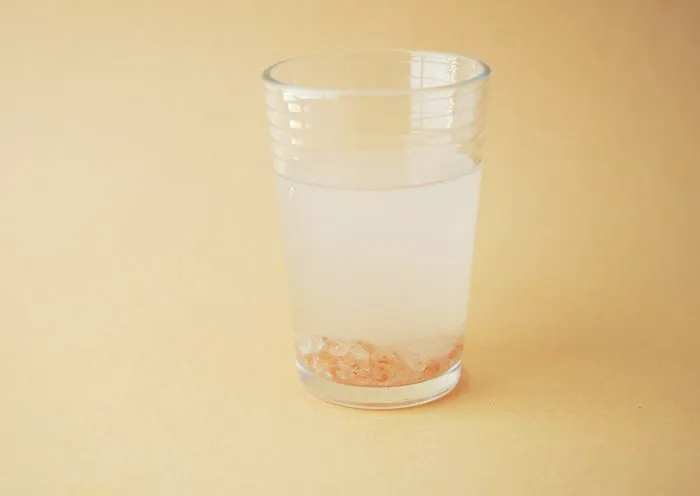
Instead, one of his preferred options is Sole Water, a mixture of pink Himalayan sea salt and water.
"I usually recommend to my wellness patients that they drink 'Sole Water,'" Dr. Ellis says. "I usually recommend 1/2 to 1 teaspoon mixed in 16oz of water. This will provide the proper sodium balance to aide in proper hydration."
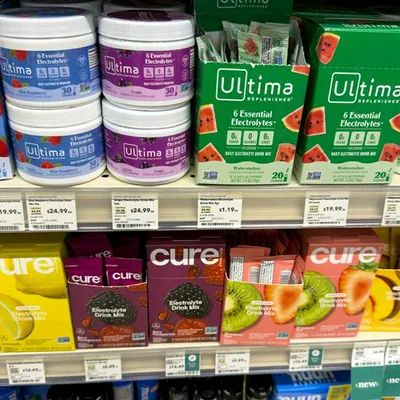
For those exercising regularly, sodium needs increase depending on sweat loss. Dr. Ellis recommends looking for an electrolyte supplement containing 300 to 500 milligrams of sodium per serving for about an hour of moderate exercise, and 400 to 690 milligrams for longer or more intense workouts with heavy sweating.
The Bottom Line
Starting your morning with an electrolyte-rich beverage may support better hydration than water alone, particularly if you exercise regularly or tend to sweat a lot. Proper electrolyte balance also helps fuel the cellular processes involved in energy production and metabolism.
That said, electrolyte supplements aren't necessary for everyone. "A well-balanced diet is usually sufficient to maintain proper electrolyte concentrations in those who perform light daily exercises," Dr. Ellis says, adding that supplements may be more beneficial for people who regularly perform moderate to heavy exercise.
Ultimately, beyond how much water you drink, staying hydrated is also about giving your body the minerals it needs to put that water to work.