






Collagen gets a lot of attention when it comes to keeping skin looking smooth and supple, but there’s more to the story than simply adding a collagen powder to your morning coffee. As we get older, our bodies naturally produce less collagen, which can contribute to changes like thinner, drier skin and a loss of firmness and elasticity. While you can’t stop this natural process altogether, good nutrition can help give your body the building blocks it needs to support healthy collagen production.
Certain nutrients play especially important roles in making and protecting collagen, and you may not always be getting enough of them from your diet. If you’re over 50 and noticing changes in your skin, hair, joints, or overall strength, it may be worth taking a closer look at what’s on your plate. Here are three key nutrients that can help support collagen and healthy aging.

Women Are Swapping Their Boring Water For This Ice Pop Electrolyte Mix!
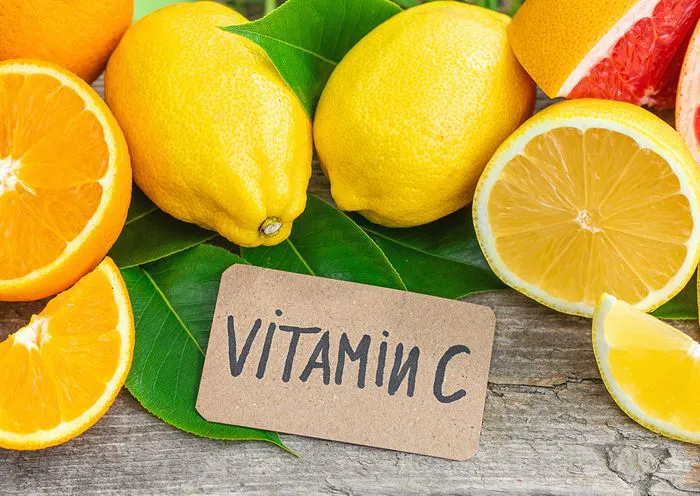
1. Vitamin C
Vitamin C is one of the most important nutrients for collagen production because your body actually needs it to synthesize collagen. It helps support the processes that stabilize and strengthen collagen fibers, while its antioxidant properties can also help protect skin from oxidative stress that contributes to collagen breakdown. Citrus fruits, strawberries, kiwi, bell peppers, broccoli, and tomatoes are all great ways to get more vitamin C through your diet.
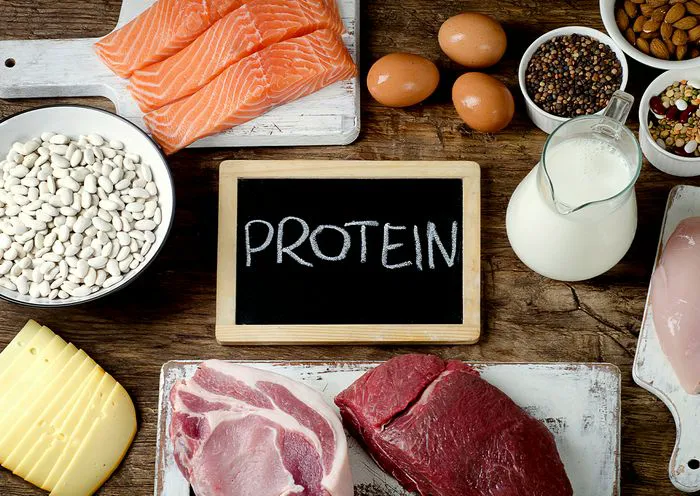
2. Protein:
Collagen itself is a protein, so getting enough dietary protein is essential for giving your body the raw materials it needs to make it. When you eat protein, your body breaks it down into amino acids, including glycine and proline, which are important building blocks of collagen. Prioritizing protein-rich foods like eggs, fish, poultry, Greek yogurt, beans, lentils, and tofu can help support collagen production as well as muscle maintenance, which becomes increasingly important with age.
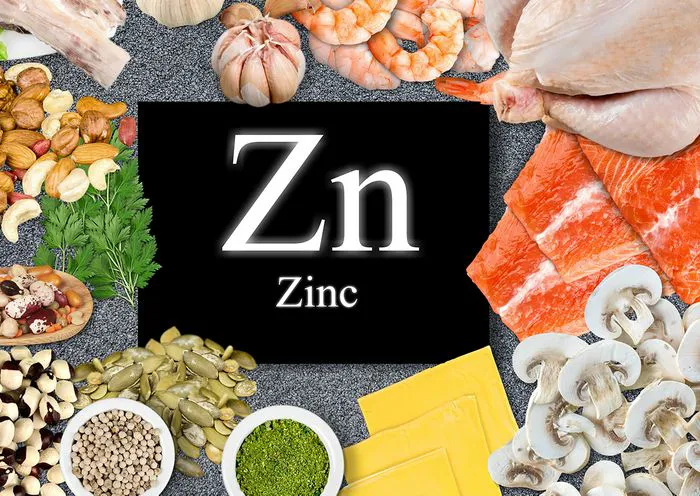
3. Zinc:
Zinc may not get quite as much attention as vitamin C, but it also plays an important role in collagen production and maintenance. The mineral supports enzymes involved in collagen synthesis and tissue repair, while also helping with normal wound healing and skin health. Foods such as oysters and other shellfish, meat, poultry, beans, nuts, seeds, and dairy products can help you meet your zinc needs and provide your body with another nutrient it relies on to maintain healthy connective tissue.