





Collagen gets a lot of attention in the beauty world, and for good reason. This essential protein helps keep our skin looking firm, smooth, and youthful, but its benefits go far beyond a glowing complexion. Collagen also plays an important role in supporting healthy joints, bones, tendons, and other connective tissues. As we age, our bodies naturally produce less collagen, which can contribute to some of the changes we notice in our skin and overall health. While fine lines and wrinkles may be the most obvious signs of this gradual decline, there are other, less noticeable changes worth paying attention to.
Understanding how collagen supports your body can help you make informed choices about your health and skincare routine. From changes in skin texture to increased joint stiffness, certain symptoms may be associated with age-related collagen loss, although they can have many other causes, too. Here are four often-overlooked signs that may be linked to declining collagen levels.

Women Are Swapping Their Boring Water For This Ice Pop Electrolyte Mix!
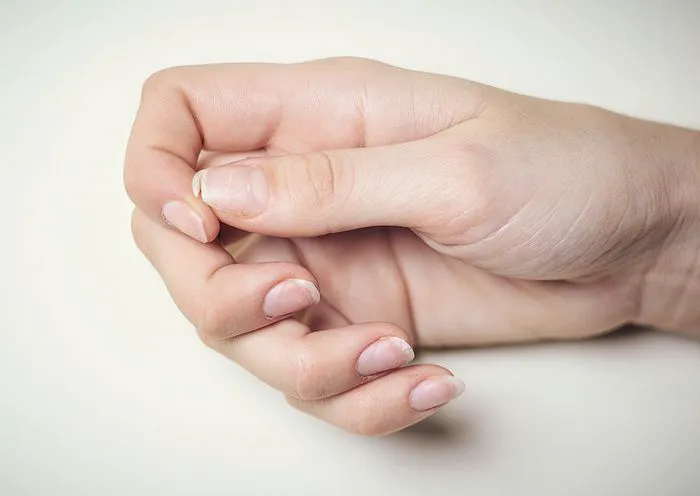
1. Brittle Nails
If your nails seem to break, peel, or split more easily than they used to, you may be wondering what's behind the change. Collagen helps support the connective tissues surrounding your nails, and because our bodies naturally produce less collagen as we age, it's worth paying attention to changes in nail health. Remember: brittle nails aren't a reliable sign of low collagen on their own. Frequent handwashing, exposure to harsh chemicals, and nutritional deficiencies can also play a role. Keeping your nails moisturized and eating a balanced diet rich in protein and essential nutrients can help support stronger, healthier nails.

2. Saggy Skin
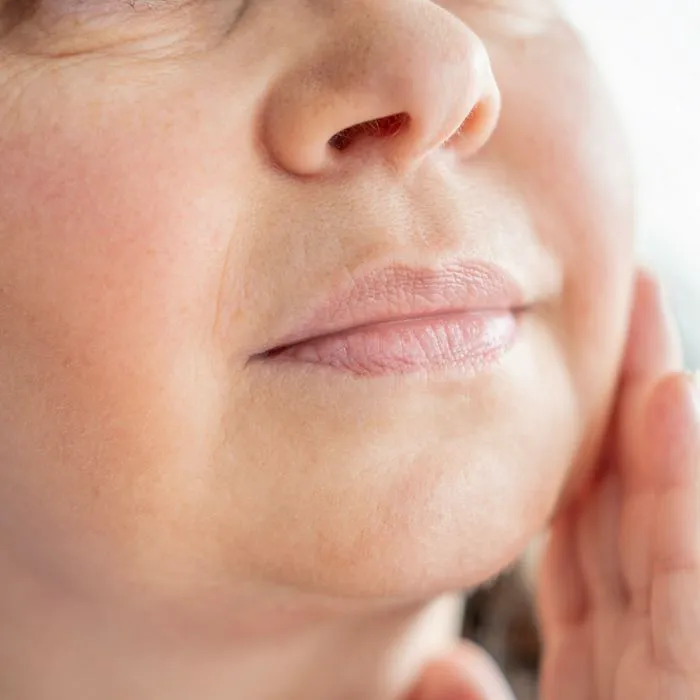
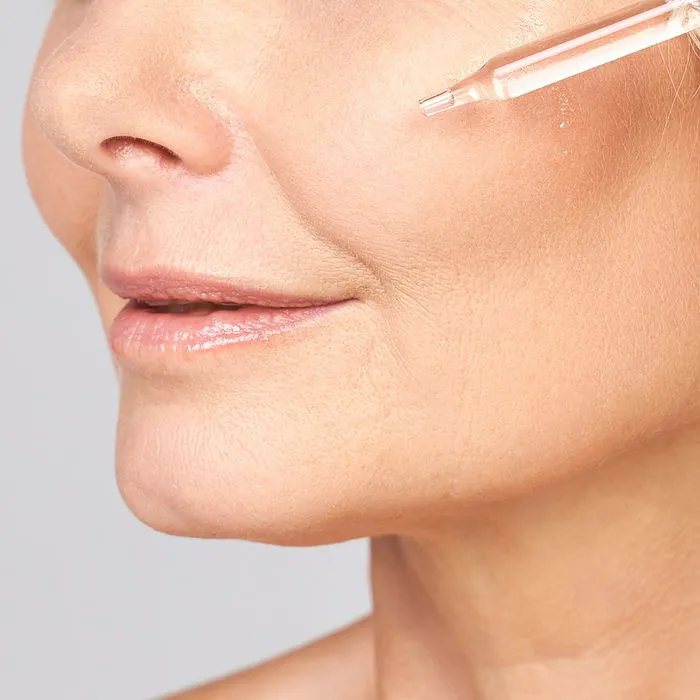
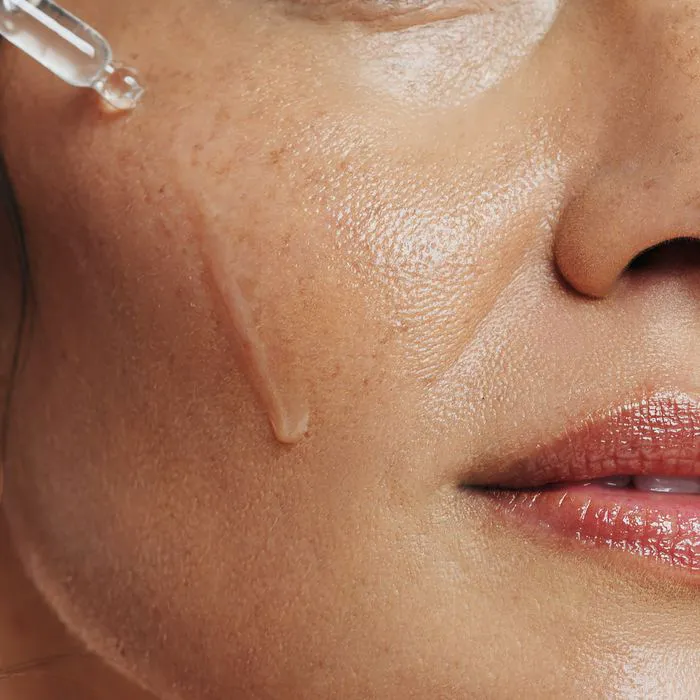
Skin naturally changes throughout our lives, and there's absolutely nothing wrong with noticing a little less firmness than you had in your twenties or thirties. Collagen is one of the proteins responsible for giving skin its structure, strength, and plump appearance. As collagen production gradually slows with age, skin may become thinner and less firm, contributing to sagging around the cheeks, jawline, and neck. Sun exposure and genetics also influence these changes. While you can't stop the aging process, daily sunscreen, a healthy diet, and skincare ingredients like retinoids can help support your skin's appearance and overall health.
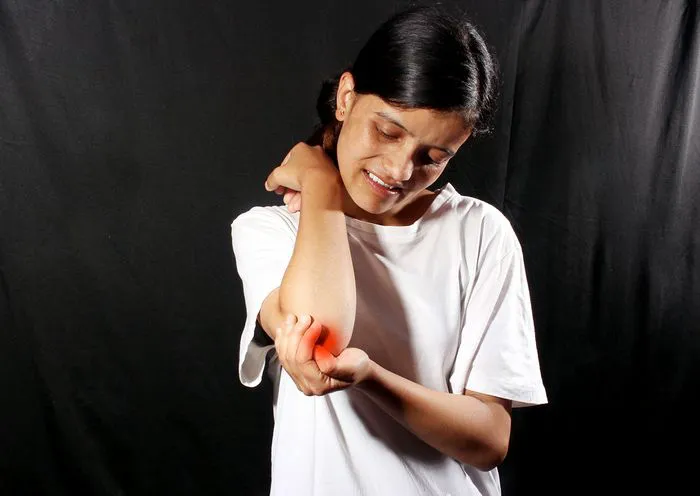
3. Achy Joints
A little stiffness after a long walk or a busy day isn't necessarily cause for concern, but persistent joint discomfort deserves attention. Collagen is a major component of cartilage, the flexible tissue that cushions your joints and helps them move smoothly. As we age, changes in collagen and cartilage can contribute to joint stiffness and discomfort. Achy joints can have many causes, including arthritis and overuse, so they don't automatically mean your body is low on collagen. Gentle movement, strength training, and a nutritious diet are smart ways to support joint health and keep doing the activities you love.
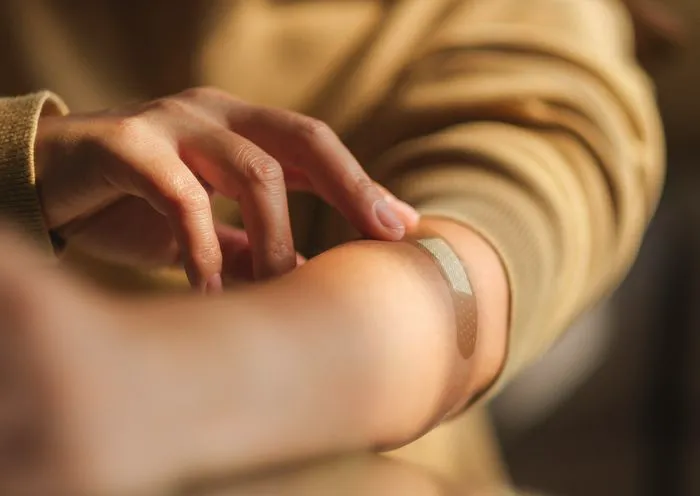
4. Bruises That Won't Heal
Have you noticed that bruises seem to appear more easily or take longer to fade? Collagen helps provide structure and strength to your skin and the connective tissues that support tiny blood vessels. As collagen levels naturally decline with age, skin can become thinner and more delicate, making bruising more noticeable. But medications, nutritional deficiencies, and certain medical conditions can also affect bruising and healing. If you're experiencing unexplained bruises or bruises that aren't healing normally, it's a good idea to check with your doctor.