




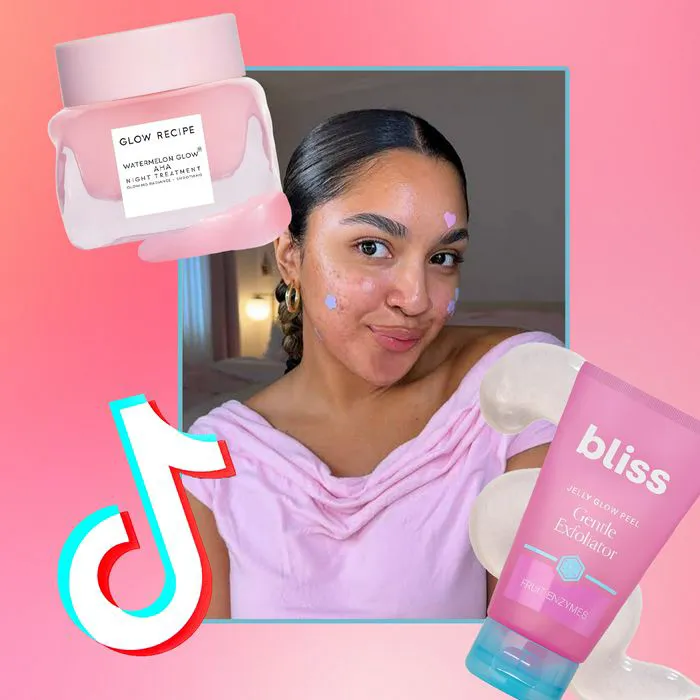
If you’ve noticed your skincare collection growing alongside your time spent scrolling TikTok, you’re not alone. Beauty influencers are constantly introducing new products, ingredients and elaborate routines that promise everything from glass skin to a smoother, brighter complexion. But while these viral trends can be tempting to try, new research suggests that following certain social media-inspired skincare routines may leave your skin worse off than before.
Two studies presented at the European Academy of Dermatology and Venereology (EADV) Congress 2026 highlighted concerns about misleading skincare advice online and the potential consequences of following complex routines without professional guidance.
One study found that nearly 95% of viral TikTok videos about Korean skincare and glass skin contained at least one potentially misleading claim. A separate study examined 94 dermatology patients who developed new or worsened skin conditions after using cosmetic or skincare products promoted on social media.
The findings highlight why popular skincare trends deserve a closer look, particularly when they encourage people to layer multiple active ingredients or promise immediate results without explaining potential risks.

Women Are Swapping Their Boring Water For This Ice Pop Electrolyte Mix!
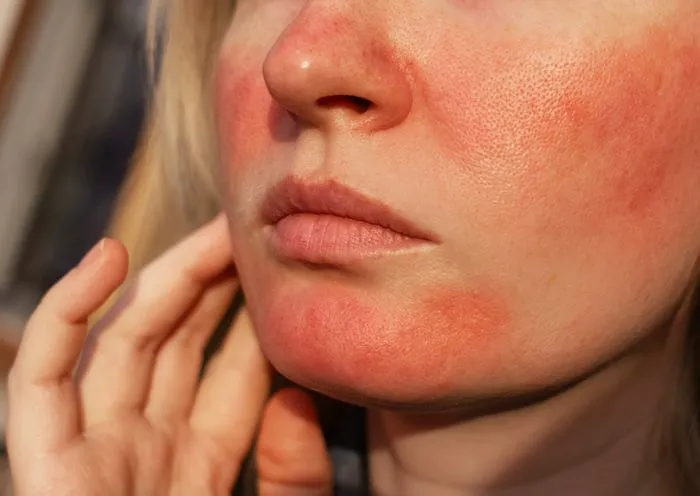
1. Layering Too Many Active Ingredients
One of the biggest concerns identified in the research was the use of multiple active ingredients in the same skincare routine.
In the study involving 94 dermatology patients, nearly half (48%) had adopted complete skincare routines inspired by social media content, while 63% were using more than three active skincare ingredients at the same time.
Chemical exfoliants containing alpha-hydroxy acids (AHAs) or beta-hydroxy acids (BHAs) were the products most frequently associated with reactions, accounting for 34% of cases. Over-the-counter retinoids followed at 27%, vitamin C serums at 14% and niacinamide-containing products at 11%.
Although these ingredients can have a place in a skincare routine, combining several products with overlapping effects may irritate the skin and compromise its protective barrier.
“What was particularly striking was not simply the popularity of these products, but the way they were being used,” said Dr. Ouissal Hormi, lead author of the patient study.
She noted that many patients were recreating complicated routines based on advice from non-medical influencers.
2. Following Viral Exfoliation Trends
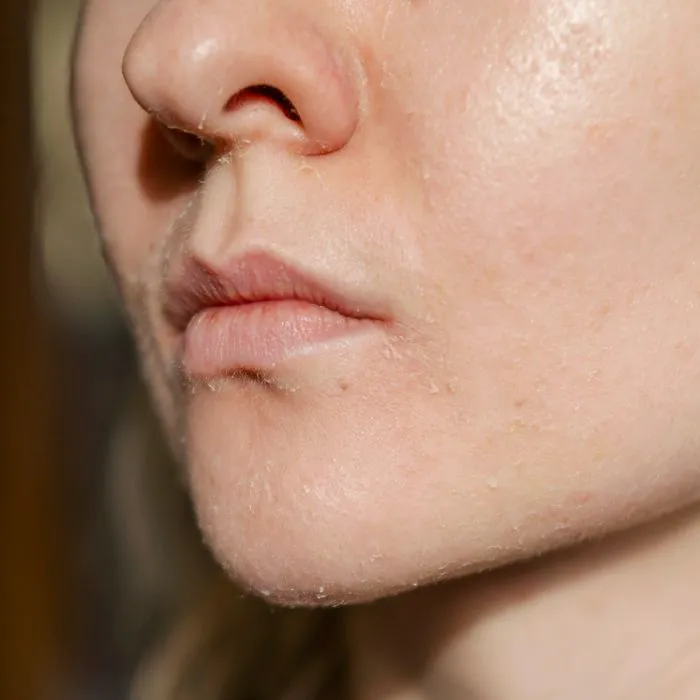
Exfoliating acids are often promoted online as a shortcut to smoother texture, brighter skin and a more even complexion. However, using them too frequently or combining multiple exfoliating products can lead to irritation.
AHAs and BHAs were the most frequently implicated product category in the patient study. Reactions among the 94 patients included irritant contact dermatitis, acne flare-ups and other inflammatory skin conditions.
According to the researchers, combining active ingredients can place excessive stress on the skin barrier, especially when several products have similar irritating effects. That does not mean everyone needs to avoid exfoliating acids.
Rather, the findings underscore the importance of using products appropriately for your skin and avoiding the assumption that a more intensive routine will necessarily deliver better results.
3. Using Retinoids Without Appropriate Guidance
Retinoids are another popular skincare category frequently featured in routines promising smoother, clearer-looking skin. But these products can cause irritation, particularly when introduced too quickly or used alongside other potentially irritating ingredients.
Over-the-counter retinoids were associated with 27% of the cases in the patient study, making them the second most frequently implicated product category. When retinoids are combined with exfoliating acids or other active ingredients, the cumulative effects may leave skin red, dry, irritated or more vulnerable to inflammation.
The researchers emphasized that the concern is not necessarily the ingredients themselves, but how they are used. A routine copied from an influencer may not account for an individual’s skin type, sensitivity or existing dermatological conditions.
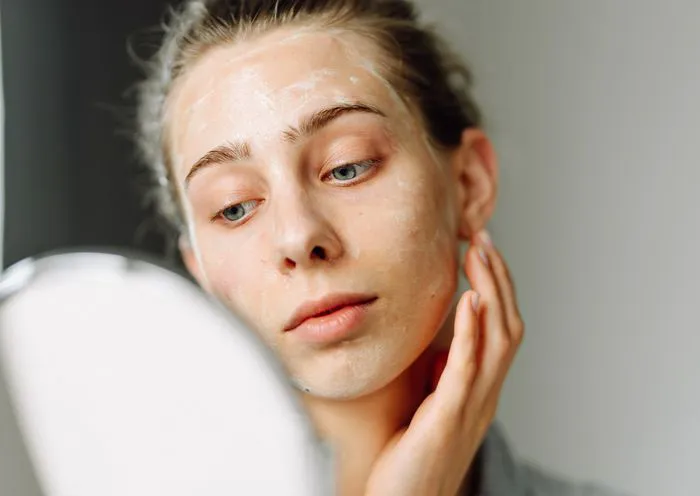
4. Believing Claims About Instant Results
The research also raised concerns about the quality of skincare advice circulating on TikTok.
Researchers analyzed 38 videos about Korean skincare and glass skin, using a neutral account with no prior engagement history to help minimize algorithmic bias. Nearly 95% contained at least one potentially misleading claim, while 32% promised instant results. Additionally, 84% of the videos failed to account for differences between skin types, and 45% promoted combinations of active ingredients without appropriate safety guidance.
Lead author Dr. Maria Lúcia Paysano said one of the most striking findings was the lack of basic safety information. Only one of the 38 videos mentioned irritation risks, just two discussed sun protection, and none addressed contact dermatitis or recommended consulting a dermatologist.
None of the videos cited external sources or references, and all were classified as unreliable or less reliable using the researchers’ assessment methods. These findings suggest that a routine gaining millions of views is not necessarily supported by reliable dermatological advice.
5. Ignoring Early Signs of Skin Irritation
The patient study also illustrated the range of reactions that can occur when skincare products are unsuitable for an individual or used in a potentially irritating combination. Among the 94 patients, the reported conditions included:
- Irritant contact dermatitis: 42% of cases
- New or significantly worsened acne: 28%
- Rosacea flares or rosacea-like dermatitis: 12%
- Post-inflammatory hyperpigmentation: 11%
- Superficial chemical burns: 7%
These percentages describe the reactions reported in this particular group of patients, not the likelihood that someone following a viral skincare routine will develop a condition. Still, the findings serve as a reminder to pay attention when a new product or routine causes persistent redness, burning, itching, unusual breakouts or other changes.
Continuing to layer additional products in an attempt to correct the problem may worsen irritation. Anyone experiencing a new or worsening skin condition should consider stopping the suspected irritant and seeking advice from a dermatologist, particularly if symptoms persist or become severe.
Is Korean Skincare the Problem?
Not necessarily. The researchers stressed that Korean skincare itself is not the issue. Practices such as gentle cleansing, moisturizing and supporting the skin barrier can be beneficial parts of a routine.
The concern is that social media can turn these principles into elaborate, one-size-fits-all regimens without adequate information about ingredient combinations, irritation risks or individual skin needs.
“‘Viral’ does not necessarily mean safe, validated or suitable for everyone,” Hormi said. Paysano also cautioned consumers about content promising instant or universal results. She encouraged people with existing skin conditions who experience irritation, or who are unsure whether a routine is appropriate, to consult a dermatologist.
Rather than dismissing social media trends altogether, the researchers said dermatologists have an opportunity to make evidence-based skincare information more accessible and engaging. The takeaway?
You don't need a cabinet full of trending products to care for your skin. Before copying a viral routine, look beyond the views and testimonials, introduce active ingredients carefully and remember that what works for one person may not work for everyone.