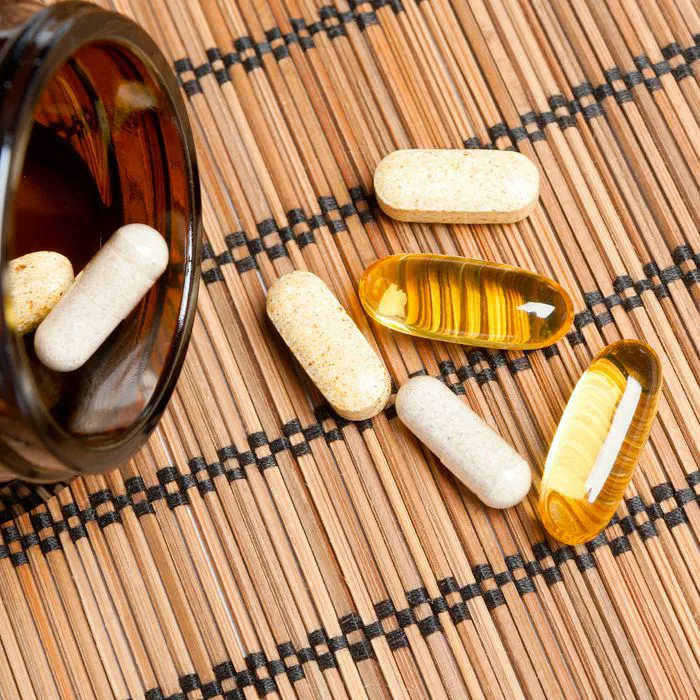






Supplements can seem like an easy way to support your health, especially when it comes to protecting your heart. From fish oil to minerals like calcium and magnesium, many people turn to vitamins and supplements to fill nutritional gaps or improve their overall wellness. But experts warn that not every supplement is automatically beneficial—and some may even come with unexpected risks when taken incorrectly or without proper balance. The American Heart Association notes that while some supplements may be helpful in certain situations, they should not be viewed as a substitute for a heart-healthy diet and lifestyle
Before adding a new supplement to your routine, doctors say it’s important to understand how it may affect your cardiovascular health, especially if you have existing health conditions or take medications. We spoke with Ramit Singh Sambyal, MD, Robert Iafelice, MS, RDN, and registered nurse Lauren Thayer to find out which supplements may do more harm than good for your heart and what you should know before taking them.

Women Are Swapping Their Boring Water For This Ice Pop Electrolyte Mix!
1. Fish oil without antioxidants
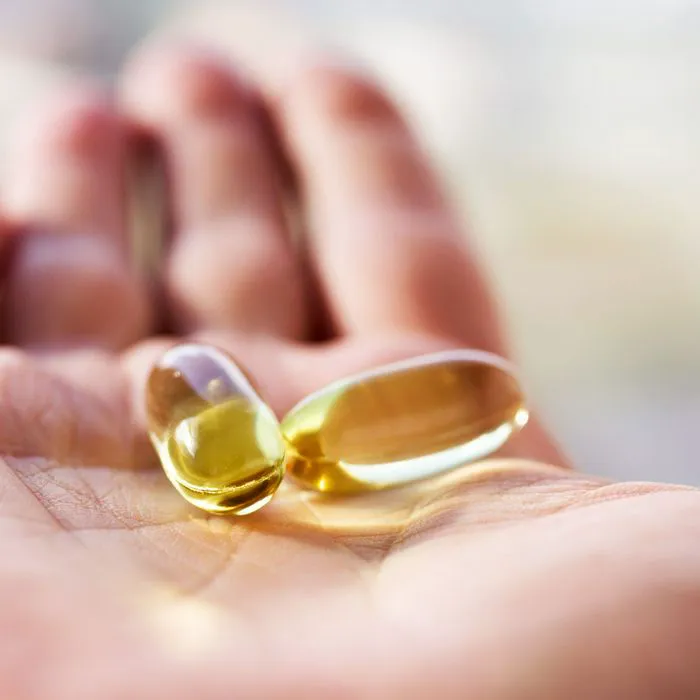
Fish oil is one of the more popular supplements due to its great benefits, such as reducing inflammation and lowering triglycerides. However, experts say that if you’re taking fish oil and it doesn’t contain antioxidants, it can be pretty risky for your cardiovascular health.
"While fish oil is very beneficial for cardiovascular health, it can be harmful," Iafelice says. Fish oil that isn't preserved with antioxidants like Vitamin C, E, or astaxanthin poses a risk, as "fish oil is extremely susceptible to rancidity and the production of toxic byproducts." Yikes!
For this reason, Iafelice says, you should "always be sure that your fish oil has antioxidants in it to protect it from rancidity." Got it!
2. Ephedra
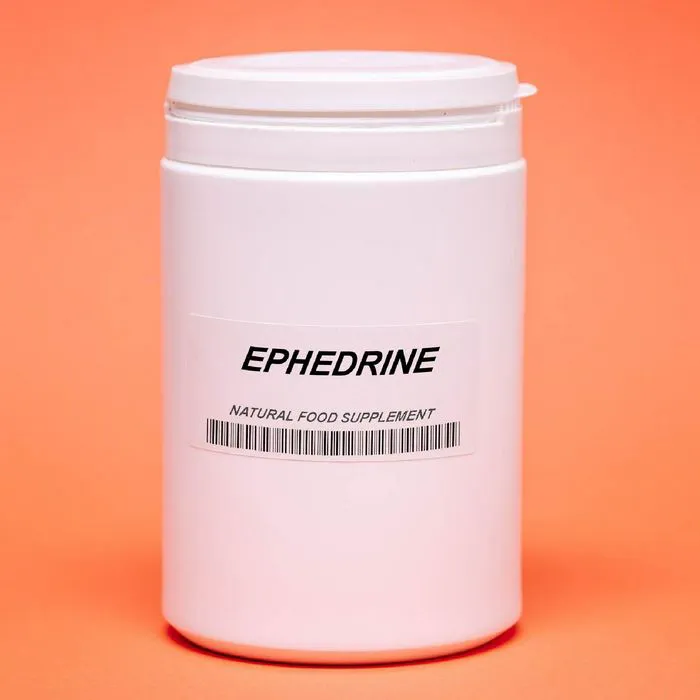
Ephedra has actually been banned in dietary supplements since 2004 by the FDA. This ingredient is known to increase your heart rate, blood pressure, and other cardiovascular complications.
But Dr. Sambyal warns, “Despite this ban, some products may still have ephedra or its derivatives, like ma-huang in traditional Chinese medicine.”
He further adds that "this stimulant can increase blood pressure, heart rate, and metabolism. Ephedra can interact with blood pressure medications and other drugs such as caffeine and decongestants."
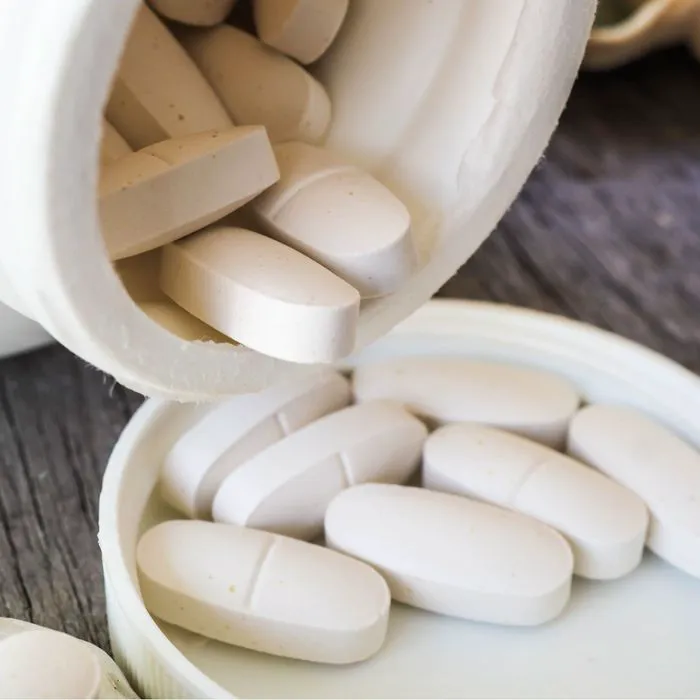
3. Calcium without magnesium
This is a lesser-known supplement fact that isn’t talked about often, but calcium and magnesium supplements need to be taken in balance. Magnesium aids in regulating calcium in the body and helps support heart functions, so taking these two together is best.
"Calcium and magnesium need to be in balance," Iafelice says. "Many people take calcium supplements that do not contain magnesium; this can result in a relative deficiency of magnesium, especially if the person is also eating a lot of dairy foods."
Iafelice adds that magnesium is also "essential for keeping the heart pumping with a normal heart rhythm" and "a lack of magnesium can lead to arrhythmias or AFib."
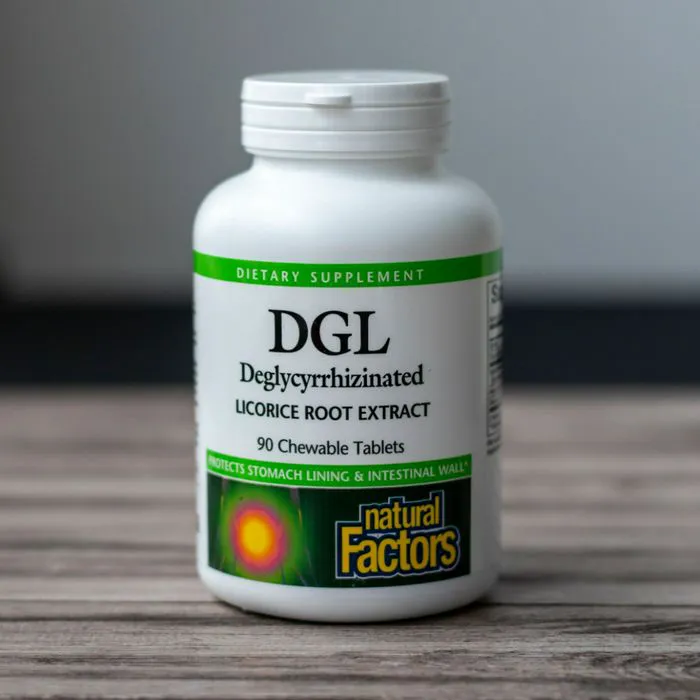
4. Licorice Root
Licorice root is usually taken for digestion issues and sore throats, but if you’re not getting enough magnesium along with it, it could end up harming your heart health.
Thayer also adds that “licorice root can be dangerous as it can also cause high blood pressure and decrease potassium levels, which can lead to life-threatening arrhythmias." Yikes! If you're worried about your digestion, there are many other measures you can take for a healthier gut.