


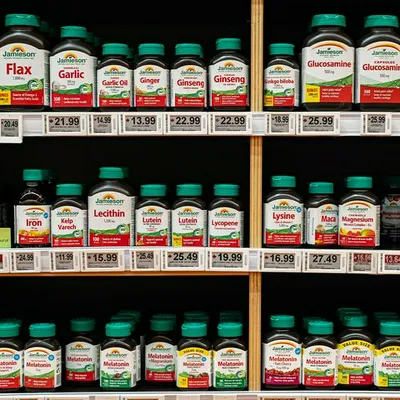
As you get older, it can be tempting to turn to supplements for help with everything from bone health to menopause symptoms. But it’s important to remember that even natural supplements come with risks—and taking one that isn’t right for you, particularly at a high dose or alongside certain medications, can be harmful. The National Center for Complementary and Integrative Health (NCCIH) notes that dietary supplements can have side effects, interact with medications, and may not be well studied for long-term safety.
That’s especially worth keeping in mind after 50, when hormonal changes during and after menopause can cause symptoms like hot flashes, sleep problems and changes in mood. While supplements may seem like an easy way to find relief, doctors say some popular options could do more harm than good for certain women. We spoke with general practitioner Dr. Maria Knobel about three supplements women over 50 may want to think twice about before adding to their routine. She warns against black cohosh, vitamin D, and ginseng. Learn about the risks of each below.

Women Are Swapping Their Boring Water For This Ice Pop Electrolyte Mix!
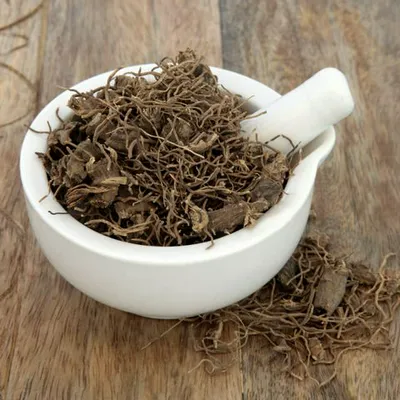
1. Black Cohosh
Some people may not be familiar with black cohosh, a supplement derived from a flowering plant that has been studied for its potential effects on estrogen-related pathways, which could make it appealing to women experiencing menopause.
Still, some health experts believe the inconsistent research and results of the supplement should serve as a warning.
"Black Cohosh is used in many of the menopause blends that are available," explains Dr. Knobel. "But black cohosh does not have consistent results for most women. Black cohosh can influence how a woman's body responds to estrogen receptors, which can cause menopause symptoms to be unpredictable and difficult to read, especially during hot flashes at night or mood changes."
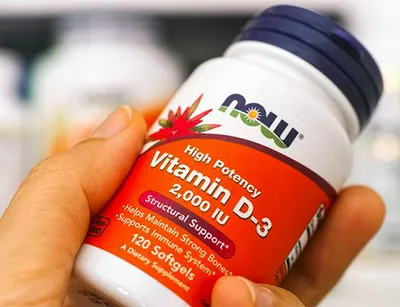
2. Vitamin D
Vitamin D is one of the most common and popular supplements out there, especially because it's something you can't get from food, and many people find that they need to supplement it as they get older to prevent and ease symptoms or conditions like osteoporosis. However, menopausal women are urged to take caution before taking it.
"Vitamin D should be carefully dosed during the menopausal years because moderate amounts support strong bones, but high doses can increase the amount of calcium in the blood and create an imbalance that will disrupt hormone signaling and can manifest as fatigue, irritation, or disrupted sleep patterns instead of relief from menopause symptoms," says general practitioner Dr. Maria Knobel.
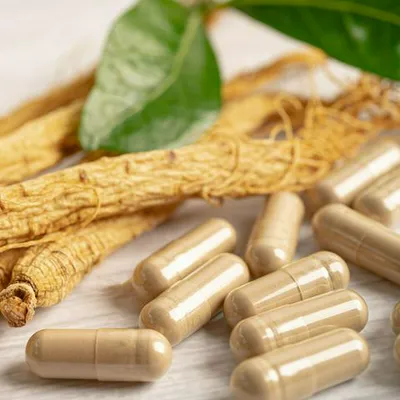
2. Ginseng
Ginseng is a supplement that is trending more these days, especially in the holistic medicine world. It is said to help boost energy levels, increase brain function and immune support, and even help people manage their stress levels. However, Dr. Knobel says it can create instability hormone-wise.
"Another supplement that can create an unstable environment is Ginseng," she notes. "Ginseng affects the stress hormone cortisol; high levels of cortisol can also block progesterone function."