






Disclaimer: This article alone should not be taken as medical advice. Speak to a doctor for the best information regarding your personal health.
It’s easy to assume that because a supplement is available over the counter, taking more of it is harmless. But certain vitamins and minerals can cause problems when consumed in excessive amounts, particularly when you’re taking multiple products that contain the same ingredients. The NIH notes that regularly getting more than the upper intake level for certain vitamins and minerals can lead to serious health problems, and recommends paying attention to the total amount of nutrients coming from different supplements.
Dr. Ayesha Bryant, MD, MSPH, Clinical Advisor of Alpas Wellness in La Plata, Maryland, says three supplements in particular concern her when taken excessively: vitamin B6, vitamin A and iron. Dr. Bryant says. Find all the details below.

Women Are Swapping Their Boring Water For This Ice Pop Electrolyte Mix!
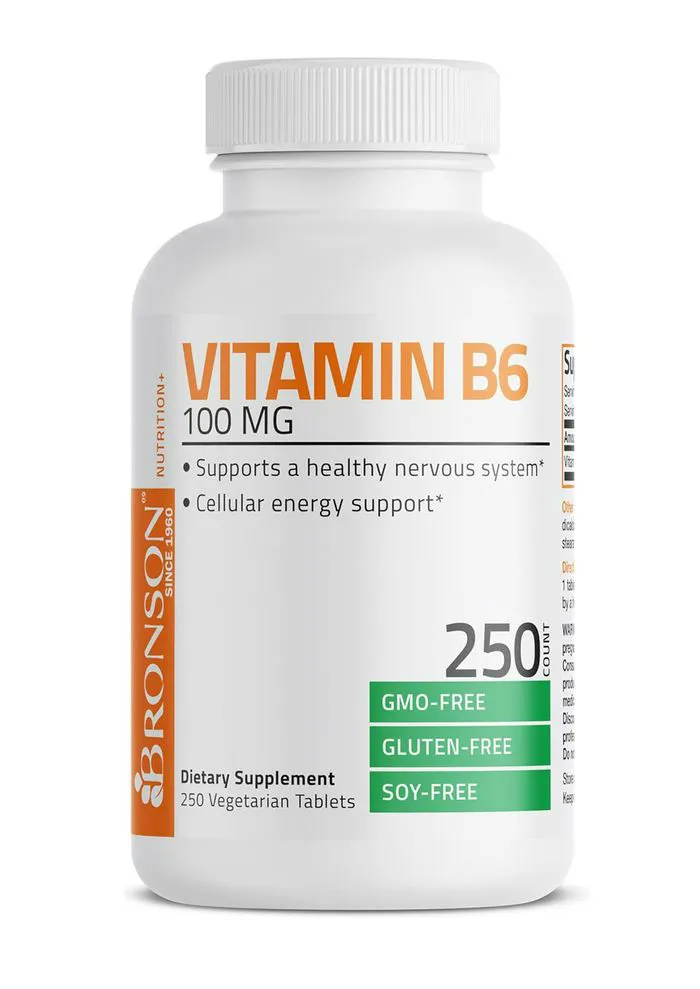
1. Vitamin B6
"While many vitamins can become toxic at a certain level, vitamin B6 is a perfect example of a common vitamin that can cause harm from excessive supplementation," Dr. Bryant says.
Vitamin B6 plays an important role in the body, including supporting metabolism and normal nervous system function. But taking too much over an extended period can have the opposite effect on your nerves.
“Taking too much for extended periods can cause nerve injuries (peripheral neuropathy) that result in feelings of burning, numbness, tingling, and poor balance,” Dr. Bryant warns.
That makes vitamin B6 an important one to keep an eye on, particularly if you're taking more than one supplement that contains it. A multivitamin, B-complex supplement and certain energy or wellness products can all contain B6, potentially causing your total intake to add up without you realizing it.
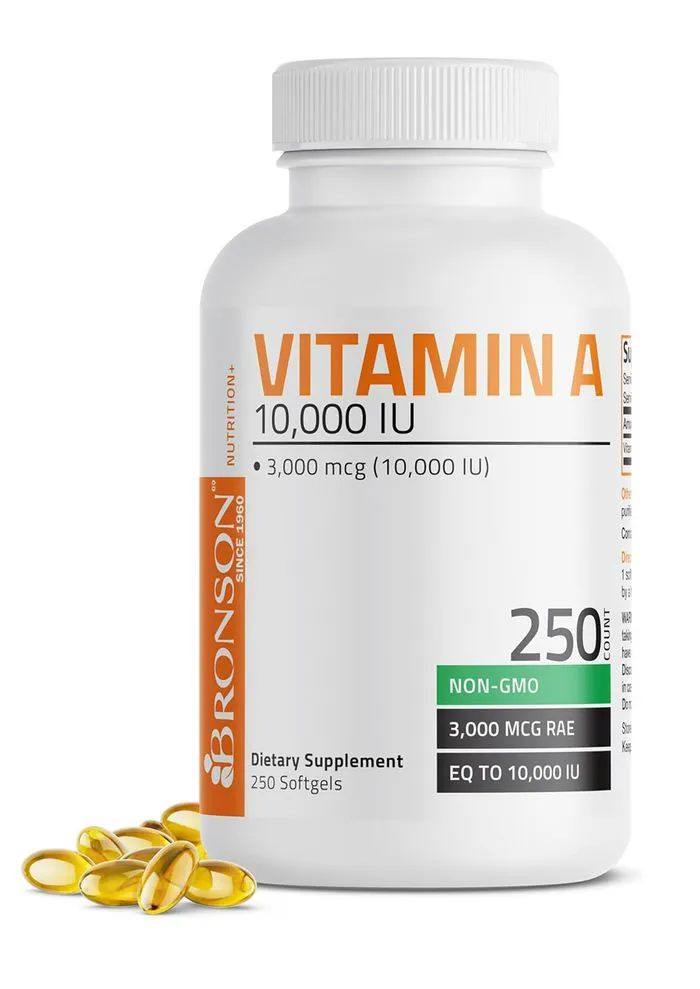
2. Vitamin A
Vitamin A is another nutrient where excessive supplementation can be problematic. Unlike water-soluble vitamins, fat-soluble vitamins can be stored in the body.
"Vitamin A is also fat soluble. Fat soluble vitamins are stored by the body and do not easily pass out of the body," Dr. Bryant explains.
According to Dr. Bryant, overdosing on preformed vitamin A can potentially lead to several health problems, including liver damage, headaches and bone issues. Excessive vitamin A is also particularly concerning during pregnancy, when high amounts can cause complications.

3. Iron
Iron is essential for healthy red blood cells, but Dr. Bryant says she is particularly concerned about people taking iron without first confirming that they actually need it.
"Iron is one of the few other vitamins where people will take this product without checking first to see if they have an actual iron deficiency," she says.
Taking too much iron can cause nausea, constipation and stomach discomfort, according to Dr. Bryant. In larger amounts, it can cause more serious problems, including damage to internal organs such as the liver.
“Due to the risk associated with excessive iron consumption, it's highly recommended to only take iron supplements when you've confirmed that you have a verified deficiency,” she says.

The Biggest Supplement Mistake: Stacking
Dr. Bryant says she's "the most worried about ‘stacking’ supplements," such as taking a multivitamin, B-complex, energy product and immunity supplement that all contain some of the same ingredients.
"Even though each individual product appears safe based upon the labeling, your body will treat all of these products as additional dosages of those ingredients," she says.
She recommends getting nutrients from whole foods when possible and reviewing your full supplement routine with a healthcare provider, especially if you're taking high levels of B6, vitamin A or iron for an extended period.