





Aging is a natural part of life, and while there’s no magic pill that can turn back the clock, certain supplements may help support healthier, more youthful-looking skin as the years go by. From fine lines and wrinkles to changes in skin elasticity and firmness, the visible signs of aging are influenced by everything from genetics and sun exposure to nutrition and lifestyle habits. But researchers are continuing to explore how specific vitamins, antioxidants, and other nutrients may help protect skin cells from oxidative stress, support collagen production, and promote a healthy, radiant complexion. And some of the most promising options might not be the supplements you typically see advertised for anti-aging benefits.
Not every supplement that promises smoother skin and fewer wrinkles lives up to the hype. Some popular options have limited scientific evidence supporting their claims, while others may be unnecessary if you’re already getting enough of certain nutrients through your diet. Knowing which ingredients are worth considering (and which ones you might want to skip) can help you make smarter choices for your skin and overall health without breaking the bank. Here are three lesser-known supplements that show potential for supporting healthy aging, along with popular options that may not deserve a permanent spot in your wellness routine.

Women Are Swapping Their Boring Water For This Ice Pop Electrolyte Mix!
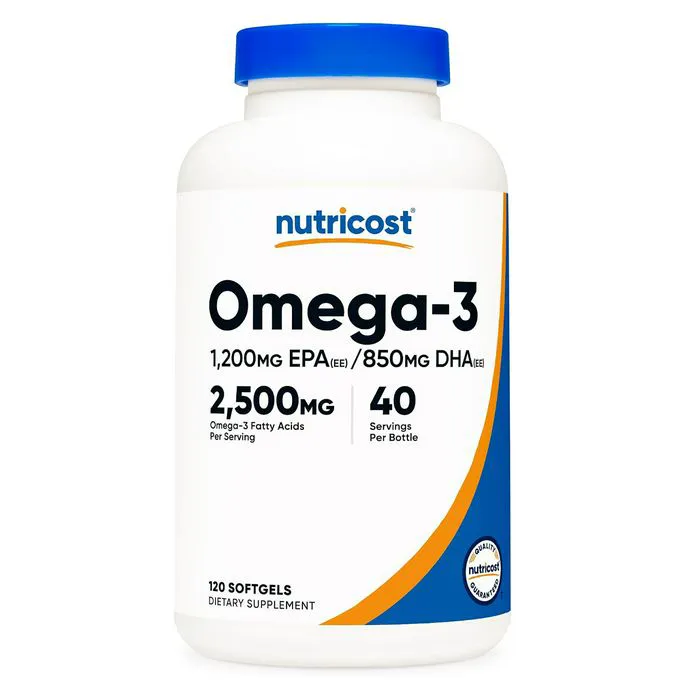
1. Omega-3
Omega-3 fatty acids are best known for supporting heart and brain health, but they may also play a role in keeping skin looking healthy and youthful as you age. Found naturally in fatty fish like salmon, sardines, and mackerel, omega-3s help support the skin's moisture barrier, which is essential for maintaining a smooth, hydrated complexion. Their anti-inflammatory properties may also help protect against some of the cellular damage associated with aging. Some research suggests that omega-3s could help reduce the effects of UV-induced inflammation and support overall skin health, although more studies are needed to determine whether supplements actually reduce wrinkles or improve skin firmness. As an added bonus, omega-3s have been studied for their potential benefits in supporting healthy aging throughout the body.
Overhyped Alternative: Collagen Supplements
Collagen powders and gummies are everywhere, promising firmer skin, fewer wrinkles, and a more youthful glow. Although some small studies have reported improvements in skin hydration and elasticity, the overall evidence remains limited by study quality and industry funding, making it difficult to know how much of a difference these supplements really make.
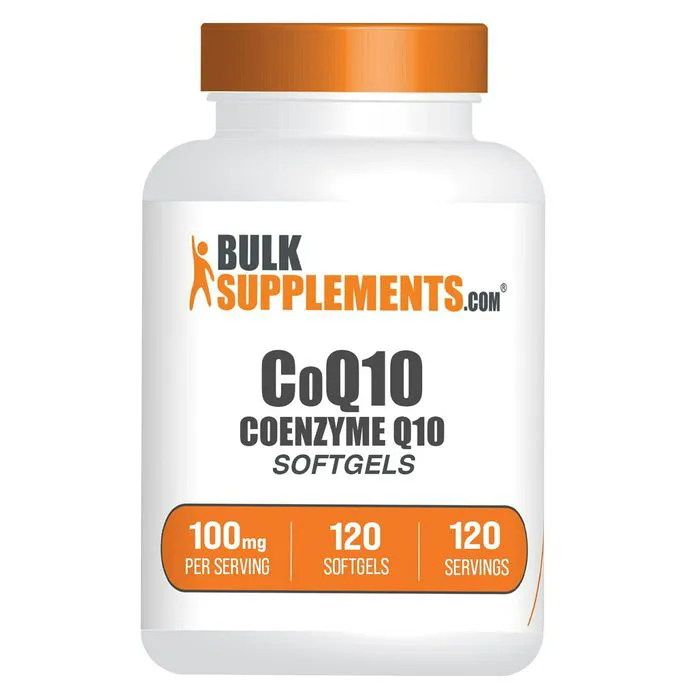
2. CoQ10
Coenzyme Q10, better known as CoQ10, is an antioxidant that helps your cells produce energy and protects them from oxidative stress. Because the body's CoQ10 levels tend to decline with age, researchers have become interested in whether supplementing with this compound could help support healthier-looking skin. CoQ10 helps protect cells against free radicals, which can contribute to visible signs of aging, including fine lines, wrinkles, and loss of elasticity. A few small studies suggest that oral CoQ10 supplements may help reduce the appearance of certain wrinkles and improve skin smoothness, although larger studies are needed to confirm these benefits. While it's not a substitute for sunscreen or a consistent skincare routine, CoQ10 is an interesting option for anyone looking to support skin health from within.
Overhyped Alternative: High-Dose Biotin
Biotin supplements are frequently marketed as beauty essentials for stronger hair, healthier nails, and glowing skin. However, there's little evidence that taking extra biotin improves skin appearance or slows visible aging in people who aren't deficient, and high doses can interfere with certain medical laboratory tests.
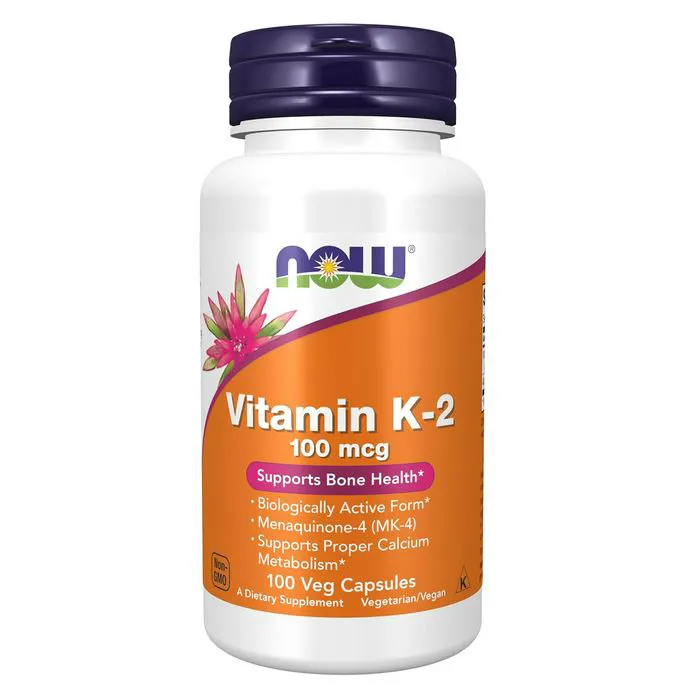
3. Vitamin K2
Vitamin K2 might not get as much attention as vitamin C or collagen, but it's an important nutrient that plays a role in maintaining bone health and regulating how calcium is used throughout the body. As we age, supporting strong bones and healthy cardiovascular function becomes even more important, and vitamin K2 helps activate proteins involved in directing calcium into bones. Researchers are also exploring whether vitamin K-dependent proteins have a role in maintaining skin elasticity and protecting connective tissues from age-related changes. But there isn't enough clinical evidence to conclude that taking vitamin K2 supplements reduces wrinkles, firms sagging skin, or slows visible skin aging. Its strongest established benefits relate to normal calcium regulation and bone metabolism rather than cosmetic anti-aging results.
Overhyped Alternative: Oral Glutathione Supplements
Glutathione is a powerful antioxidant naturally produced by the body, and oral supplements are often promoted for brighter, more even-toned skin and anti-aging benefits. Although preliminary studies have explored potential effects on skin pigmentation, there isn't enough evidence that glutathione supplements meaningfully reduce wrinkles, restore firmness, or prevent visible signs of aging.