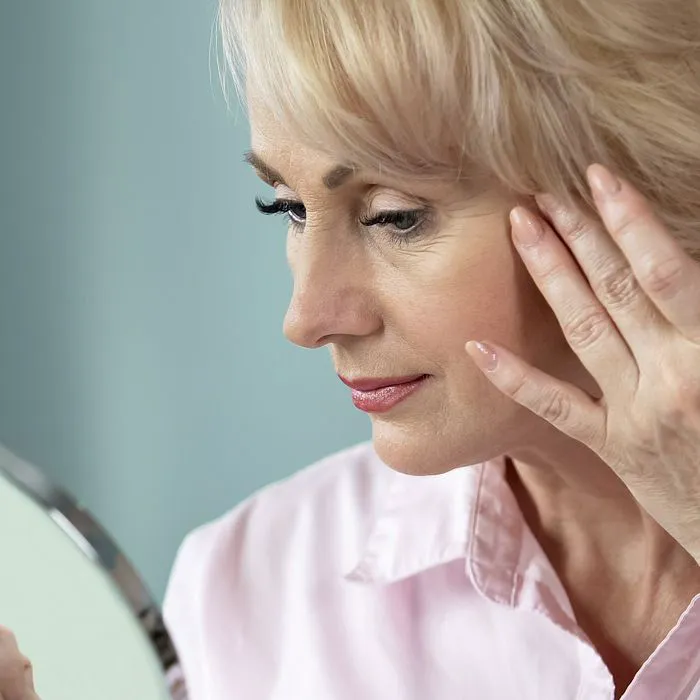





As we get older, our skin naturally goes through changes that can leave it feeling drier, more sensitive, or simply less resilient than it once was. After 50, shifts in hormones and a gradual decline in the skin’s natural oils can make it harder for the skin barrier to hold onto moisture and protect itself from everyday stressors. A thoughtful skincare routine can help, but what you put into your body plays a role in supporting healthy skin, too.
Certain nutrients are especially important for maintaining the building blocks that help skin stay hydrated, supple, and strong. And while supplements aren’t a substitute for a balanced diet—or a magic solution for turning back the clock—they can be useful for filling nutritional gaps and giving mature skin some extra support. Here are three supplements that may be worth considering after 50 for a healthier, more resilient skin barrier.

Women Are Swapping Their Boring Water For This Ice Pop Electrolyte Mix!
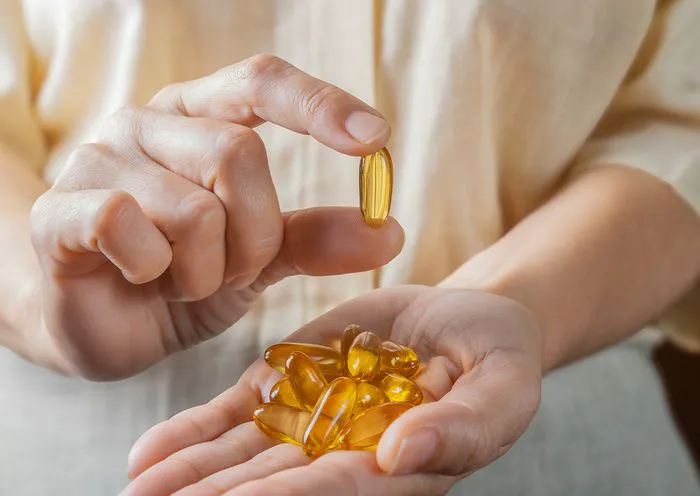
1. Omega-3 Fatty Acids
Omega-3 fatty acids can be especially helpful for supporting a healthy skin barrier because fats are an essential part of the skin’s protective outer layer. These healthy fats may help the skin retain moisture while supporting a healthy inflammatory response, which can be beneficial if mature skin tends to feel dry, irritated, or sensitive. Because the skin often produces less oil with age, getting adequate omega-3s through foods or supplements may help keep it feeling softer, more comfortable, and better equipped to defend itself against environmental stressors.

2. Vitamin D
Vitamin D plays an important role in normal skin cell growth, repair, and immune function—all of which contribute to a strong, healthy skin barrier. Skin also becomes less efficient at producing vitamin D from sunlight as we get older, making adequate intake particularly important after 50. Maintaining healthy vitamin D levels can support the skin’s natural renewal processes and its ability to protect itself.
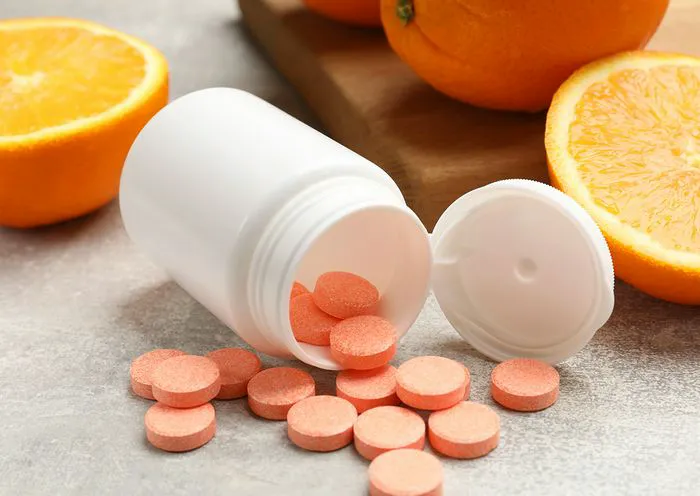
3. Vitamin C
Vitamin C is well known for its antioxidant benefits, but it also plays an important role in maintaining the structure and strength of mature skin. The body needs vitamin C to produce collagen, a protein that helps give skin its firmness and structural support, while its antioxidant properties help protect skin cells from damage caused by oxidative stress. Vitamin C also contributes to normal wound healing and skin repair.