





Our skin is constantly changing, and after 40, some of those changes can become a little more noticeable. Natural shifts in collagen production, hydration, and cell turnover can contribute to dryness, fine lines, dullness, and a loss of firmness. A consistent skincare routine can certainly help, but what you put into your body matters, too. Certain nutrients play important roles in supporting the processes that keep skin looking healthy, smooth, and resilient.
That’s where supplements may be worth considering. While no capsule can replace sunscreen, nutritious foods, plenty of sleep, or a good moisturizer, the right supplements can help fill nutritional gaps and support skin health from within. If you’re looking to give your routine a little extra support, these five expert-recommended supplements may be especially beneficial for keeping skin looking hydrated, radiant, and healthy after 40.

Women Are Swapping Their Boring Water For This Ice Pop Electrolyte Mix!
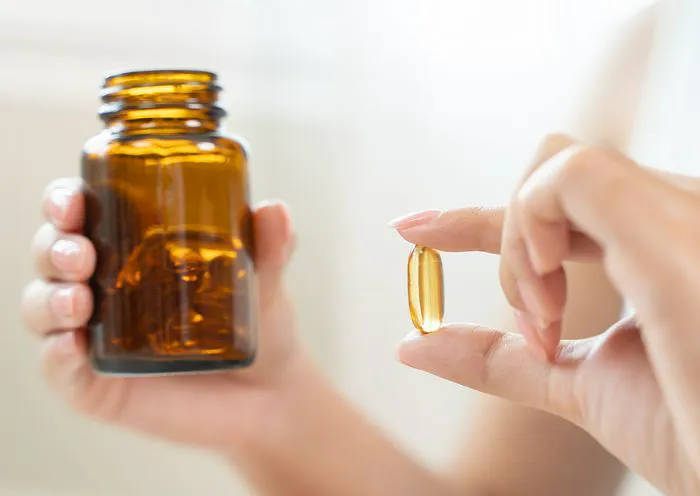
1. Fish Oil
Fish oil is rich in omega-3 fatty acids, particularly EPA and DHA, which can be beneficial for skin that becomes drier with age. Omega-3s help support the skin barrier, which plays an important role in retaining moisture and protecting skin from environmental stressors. They also support a healthy inflammatory response throughout the body. For mature women dealing with increased dryness or skin that doesn’t feel quite as supple as it once did, getting adequate omega-3s through fatty fish or a quality fish oil supplement may help support softer, healthier-looking skin.
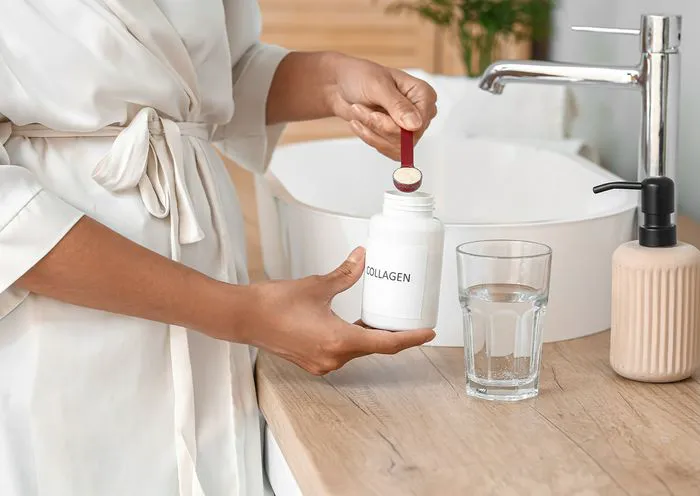
2. Collagen Peptides
Collagen provides much of the structural support that helps skin look firm and plump, but our bodies naturally produce less of it as we age. This decline becomes especially noticeable for women during and after menopause, when hormonal changes can further affect the skin’s collagen content. Certain hydrolyzed collagen peptides may modestly improve skin hydration and elasticity when taken consistently. They aren’t a magic eraser for wrinkles, but collagen peptides may help.
3. Vitamin C
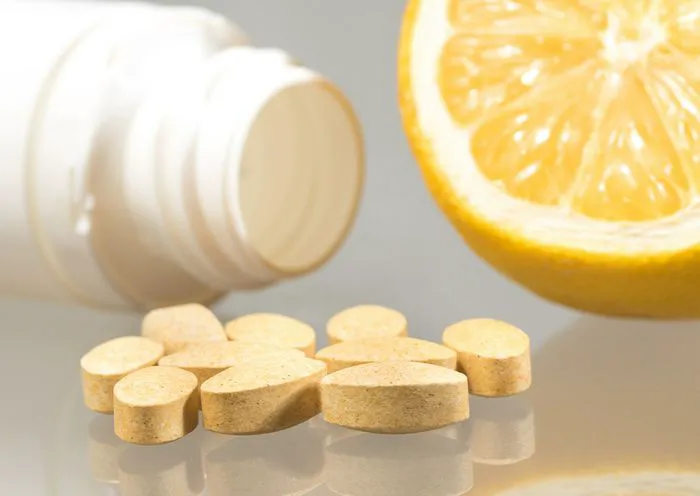
Vitamin C is an essential nutrient for healthy skin because the body needs it to make collagen. It also works as an antioxidant, helping protect cells against oxidative stress caused by factors such as UV exposure and pollution. Many people can meet their vitamin C needs through foods like citrus fruits, bell peppers, strawberries, and broccoli, but supplementation may be useful when you think your dietary intake is inadequate.

4. Vitamin D
Vitamin D is important for far more than bone health—it also plays a role in normal skin-cell growth, repair, and immune function. Because the skin’s ability to produce vitamin D from sunlight can decline with age, maintaining adequate levels becomes particularly important as we get older. A vitamin D supplement can be helpful for women who are deficient or don’t get enough through food and sun exposure, supporting overall health as well as the normal processes that keep the skin functioning properly. Since too much vitamin D can be harmful, it’s a good idea to have your levels checked and discuss supplementation with your healthcare provider.
5. Zinc
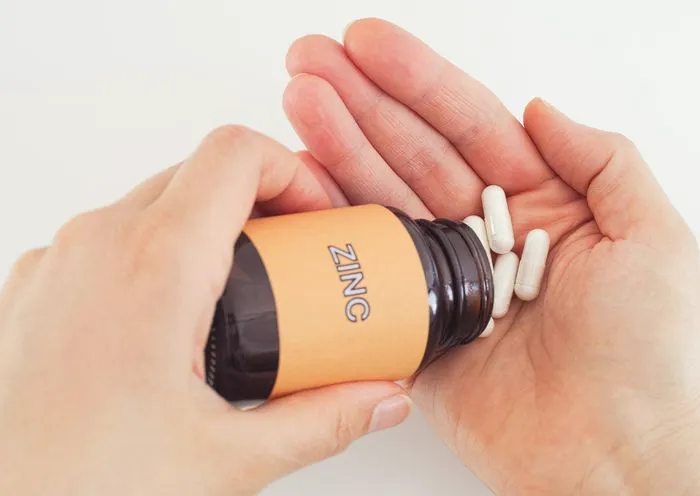
Zinc is an essential mineral involved in wound healing, immune function, protein synthesis, and normal skin repair, making adequate intake important for maintaining healthy skin at any age. It also contributes to the processes the body uses to protect cells from oxidative damage. A zinc supplement is most useful when someone isn’t getting enough from their diet or has a deficiency—taking extra zinc when you already get enough isn't likely to produce younger-looking skin. High doses can also interfere with copper absorption, so this is one supplement where more definitely isn’t better.