



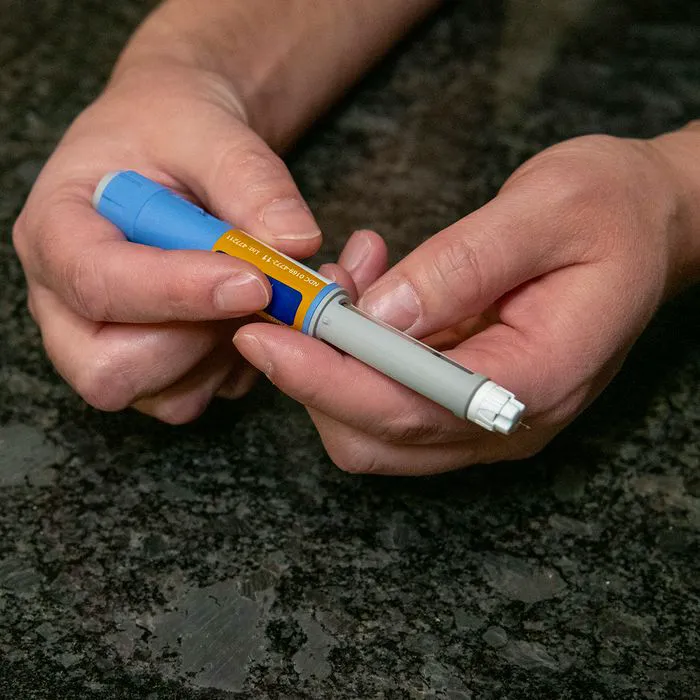
A nationwide voluntary recall involving compounded GLP-1 injections has been issued over concerns about sterility, prompting patients who use certain weight-loss and diabetes medications to check their prescription labels.
Apothecary Pharma LLC initiated the recall on September 24, 2026, involving 22 lots of compounded tirzepatide injections and one lot of NAD+ injection because of a lack of assurance of sterility. The U.S. Food and Drug Administration (FDA) later classified the action as a Class II recall, meaning exposure to the affected products could cause temporary or medically reversible adverse health consequences, while the likelihood of serious harm is considered low.
The recall applies only to specified compounded products distributed by Apothecary Pharma. It does not affect FDA-approved, brand-name medications such as Mounjaro, Zepbound, Ozempic or Wegovy.

Women Are Swapping Their Boring Water For This Ice Pop Electrolyte Mix!
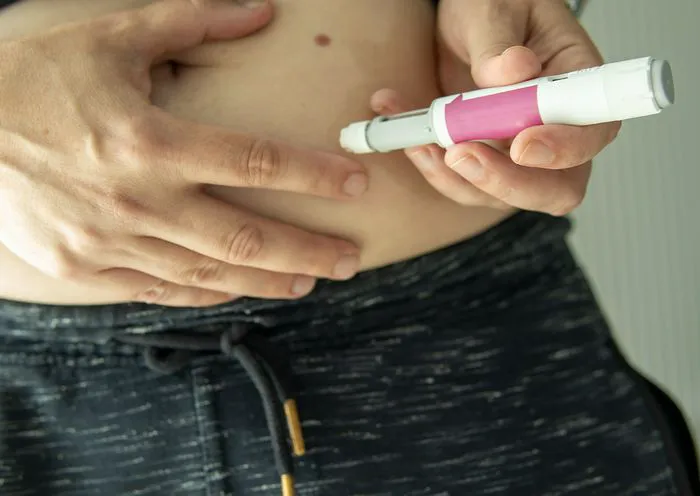
Which GLP-1 injections are affected?
The recall includes 22 lots of compounded tirzepatide injection, a medication used in some compounded formulations for weight management and diabetes treatment. Tirzepatide is also the active ingredient in the FDA-approved medications Mounjaro and Zepbound, but those brand-name products are not included in this recall.
The affected compounded tirzepatide products are labeled as 18 mg/mL injections supplied in 4 mL multidose vials.
They carry National Drug Code (NDC) 85091-001-18 and have lot numbers ranging from AP-202622 through AP-202644. Their beyond-use dates extend from October 7, 2026, through November 26, 2026. One lot of NAD+ injection is also included.
The affected product is labeled as a 200 mg/mL injection supplied in a 6 mL multidose vial, with NDC 85091-011-06. The specific lot is AP-202647, with a beyond-use date of October 13, 2026.
Patients should compare the information on their prescription labels with the recalled products rather than assuming every compounded tirzepatide or NAD+ injection is affected.
Why were the injections recalled?
The recall was initiated because the manufacturer could not provide adequate assurance that the affected products were sterile. Injectable medications must meet appropriate sterility standards because contamination can introduce microorganisms into the body.
Using a potentially contaminated injection could lead to an infection or other adverse health effects. The FDA's Class II classification indicates that the use of, or exposure to, the recalled products may cause temporary or medically reversible health consequences.
It does not mean that every vial is contaminated or that everyone who has used an affected product will become ill.
What should patients do if they have a recalled vial?
Anyone who uses compounded tirzepatide or NAD+ injections should check the product name, lot number and beyond-use date on the prescription label. If a vial matches the recalled information, patients should:
- Stop using the affected product. Do not inject any more medication from a recalled lot.
- Contact a pharmacist or prescribing clinician. Ask how to safely dispose of the product and discuss alternative treatment options, particularly if the medication is part of an ongoing diabetes or weight-management plan.
- Watch for signs of infection. Seek prompt medical attention for symptoms such as fever, swelling, severe redness or worsening pain around the injection site. Tell the healthcare professional that you may have used a product included in the recall.
- Keep the product information available. If you contact a healthcare professional, have the vial or prescription label on hand so they can verify the lot number and beyond-use date.
Anyone who has already used an affected product should contact a healthcare professional for advice, even if they have not noticed symptoms. Seek urgent care for severe or rapidly worsening symptoms.
Does the recall affect Ozempic, Wegovy, Mounjaro or Zepbound?
No. According to the recall information provided, this action is limited to the specified compounded products from Apothecary Pharma LLC. FDA-approved, brand-name medications—including Ozempic and Wegovy, which contain semaglutide, and Mounjaro and Zepbound, which contain tirzepatide—are not included.
Patients taking one of these FDA-approved medications should not stop treatment because of this recall alone. Anyone unsure whether their medication is affected should check with their pharmacist or prescriber.
The key takeaway: Check the lot number before using compounded injections, and do not use a vial that matches the recalled products. Patients who need to change treatment should work with their healthcare professional to determine the safest next step.