






This article alone should not be taken as health advice. Talk to your doctor about the best plan for your personal wellbeing.
What you drink throughout the day can affect more than your energy levels. In fact, a study of nearly 2,000 older adults found that higher consumption of sugar-sweetened beverages was associated with 58% higher odds of poor memory performance.
According to doctors, some popular drinks may be worth cutting out, especially if you want to protect your memory and emotional well-being after 40. From sugary sodas and energy drinks to alcohol and artificially sweetened beverages, these beverages may impact your brain health when consumed regularly or in excess. Here are five drinks to watch out for and why experts say they deserve a closer look.

Women Are Swapping Their Boring Water For This Ice Pop Electrolyte Mix!

1. Sugary Soda
Drinking regular sodas can mess with your mental health and brain over time. The high sugar content causes blood sugar spikes and crashes, which can lead to mood swings and increased anxiety. Over time, the habit of drinking sodas can impact your insulin levels, making it harder for your brain to stay sharp and contributing to long-term memory issues.
Veronica West, psychologist and founder of My Thriving Mind, states, "The ultimate sugar bomb, sodas send your blood sugar on a roller coaster ride. Sure, you get a quick energy boost, but soon after comes the crash, leaving your brain foggy and your anxiety up. It’s like telling your brain, 'Let’s sprint!' only to make it trip over itself moments later."
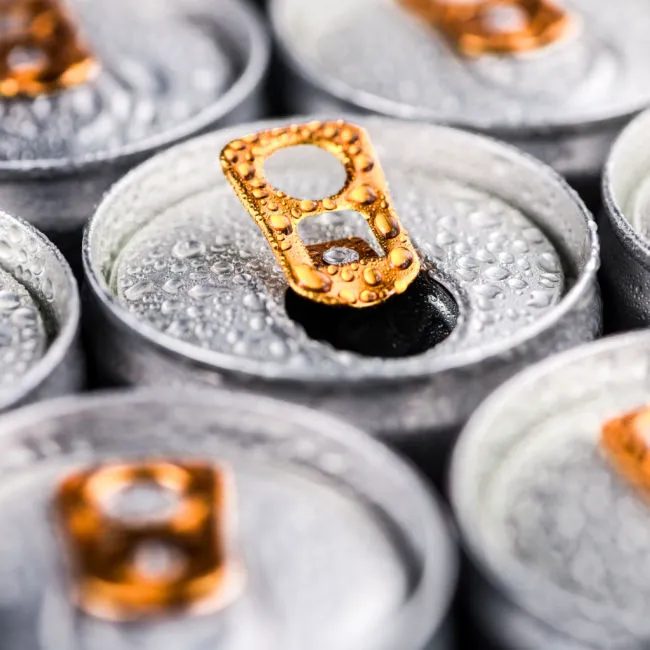
2. Caffeinated Energy Drinks
In moderate amounts, the caffeine in energy drinks can enhance focus and energy. However, in large doses (which is the amount added in many energy drinks), it can lead to overstimulation of the nervous system, causing symptoms of anxiety such as nervousness, irritability, restlessness, and heart palpitations.
Dr. Michael O. McKinney, physician at Healthy Outlook, says, "Caffeine, when taken in large quantities, can cause anxiety and disturb healthy sleep, which over the long term reduces brain intelligence levels. All these have been made possible by the high sugar content in most energy drinks; this leads to insulin resistance, which plays a vital role in enhanced cognitive degradation."

3. Alcohol
While alcohol can initially have a calming effect by depressing the central nervous system, as it wears off, it can disrupt neurotransmitter balance, leading to increased anxiety. It is also known to increase inflammation and oxidative stress in the body and brain.
"Regular use of alcohol leads to shrinkage of brain functioning, and the probability of dementia is higher with this kind of behavior. It alters the chemical concentrations in the brain and affects the brain cells that makeup memory and cognitive processes," notes McKinney.

4. Fruit Juices
While fruit juice is often seen as a healthy beverage, particularly due to its vitamin content, frequent consumption of processed or sugary juices can have unexpected consequences on brain health.
"The natural fruit juice consists of vitamins; however, the extra sugars in it lead to insulin insensitivity and promote inflammation, which may hinder brain working and lead to the creation of Alzheimer’s," says McKinney.

5. Diet Sodas (artificially sweetened)
Diet soda has been marketed as a healthier alternative to regular high-sugar sodas, but research has shown it may have an unintended negative impact on the brain. They contain artificial sweeteners like aspartame, saccharin, or sucrose that have been shown to interfere with brain chemistry.
"[Cancer-causing] chemicals, including aspartame, affect neurotransmitters’ functioning and cause anxiety and depression. This has an impact on the chemicals in the brain and results in poor performance of the brain functions," says McKinney.