


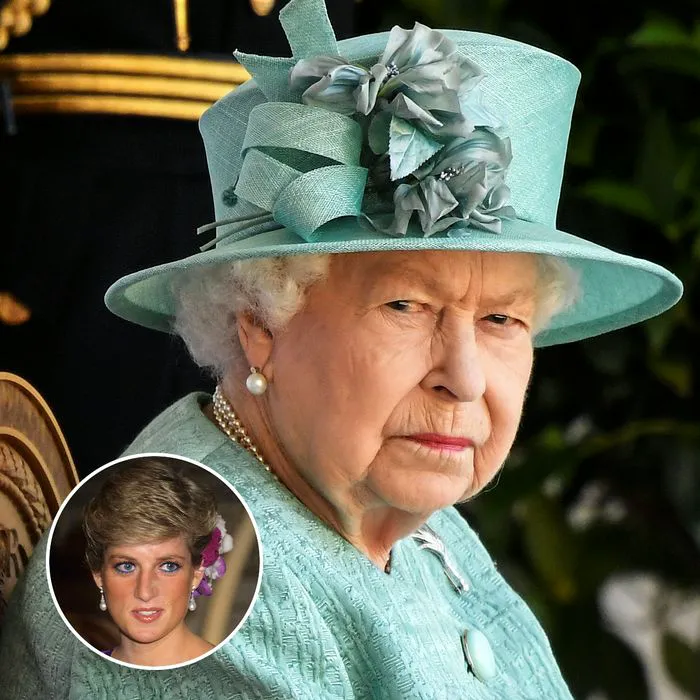
A new royal biography of Queen Elizabeth revealed that the late queen was quite “hurt and angered” by the public’s reaction to how she handled the death of Princess Diana back in in the 1990s. Despite being known for putting her duty above all else, she was adamant about putting her grandsons first. This, along with some other details the public has latched onto, reportedly put a bad taste in her mouth. Keep reading for more information.

Women Are Swapping Their Boring Water For This Ice Pop Electrolyte Mix!
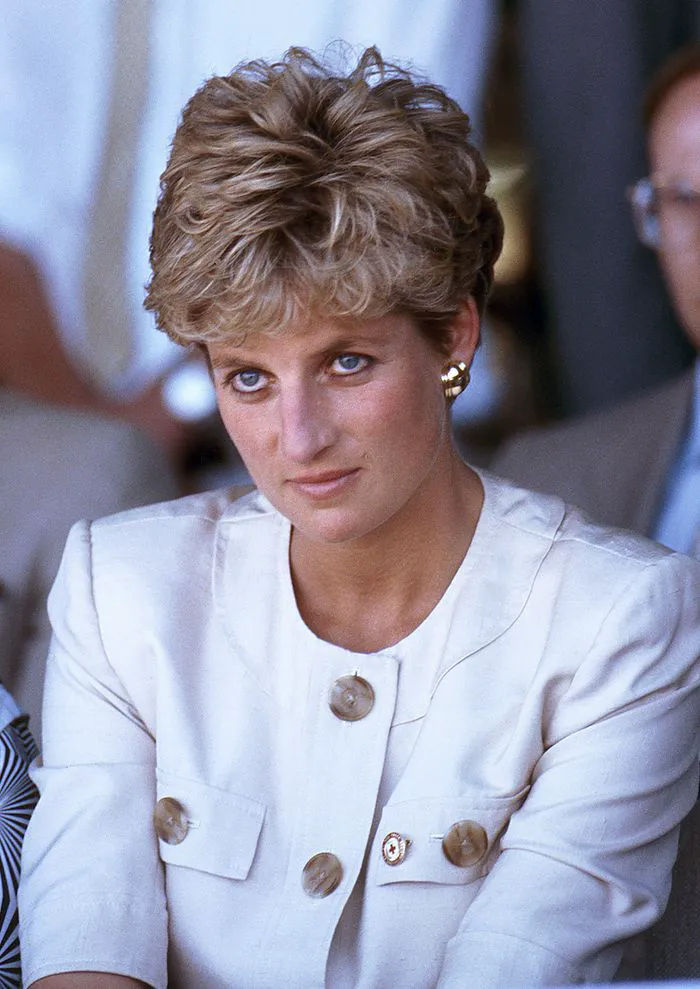
Queen Elizabeth Faced Criticism Over Handling Of Diana's Death
When Princess Diana tragically died in a car crash in Paris on August 31, 1997, Queen Elizabeth was in Scotland at Balmoral, the royal family's Scottish retreat, along with Prince Charles, Prince William, and Prince Harry. Instead of returning to London in the wake of the tragedy, Queen Elizabeth stayed at Balmoral with her grandsons, leading to a lot of criticism from both the public and the media.
She also refused to fly the Royal Standard at half-mast over the palace. Protocol stated that the flag only flew when the queen was present, and because she stayed with Prince William and Prince Harry for five days following their mother's death, the flag did not fly. According to Marie Claire, protocol also dictates that the Royal Standard "is never flown at half mast."
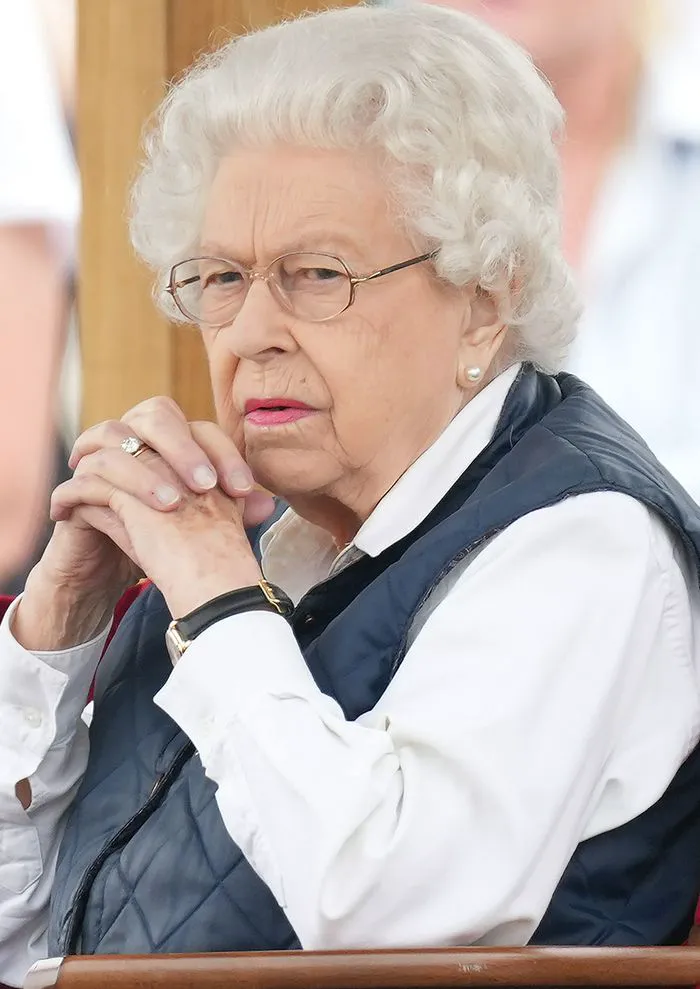
Queen Elizabeth Was 'Hurt And Angered'
Though anyone in a position that serves the public is no stranger to criticism, the late queen was reportedly "hurt and angered" by the public's reaction to how she handled Diana's passing. Royal biographer Gyles Brandreth explains in his book, Elizabeth: An Intimate Portrait, that the queen "was not often given to anger," but in this instance, was seething.
"She felt it showed a lack of understanding of history and tradition," he wrote in the book. "The flagpole at Buckingham Palace was bare because flags are only flown over a royal residence when the sovereign is in residence." As such, she saw "no reason to break with precedent."
Yet, public outcry changed her mind. "After several days, against her better judgment, she was persuaded to change her mind and allow a compromise: The Union flag—not the Royal Standard—was flown at half-mast over Buckingham Palace," Brandreth wrote.