




In today’s digital world, some of the most vulnerable people are those over 50, especially those who struggle to keep up with some of today’s latest technology and methods of scams.
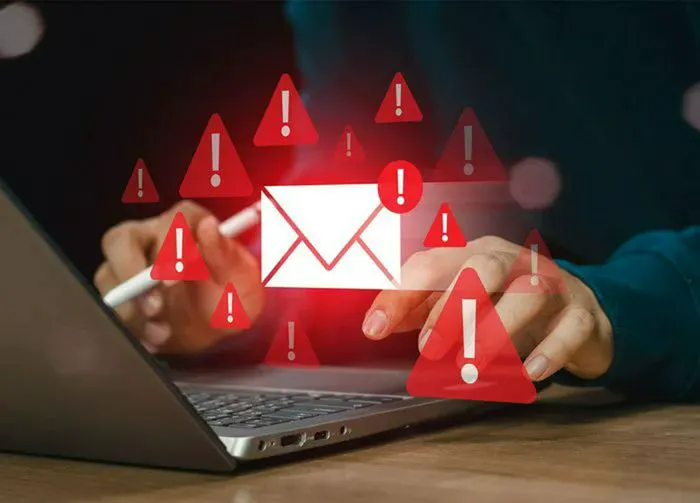
Email scams are one of the most popular forms of online scams out there and, unfortunately, are becoming increasingly convincing, making it harder to tell a legitimate message from one trying to steal your personal information. Phishing emails often rely on fear and urgency to pressure people into clicking a malicious link, handing over sensitive details. If you’re of a certain age and unsure what kind of emails to keep your eye out for, read more about two phishing email techniques worth knowing about below.

Women Are Swapping Their Boring Water For This Ice Pop Electrolyte Mix!
1. Legal Notice or Lawsuit Emails
One phishing tactic to watch out for is a fake legal notice or lawsuit email, which is designed to scare people into responding immediately out of fear of being involved in some kind of legal issue. These messages may claim that you're being sued, owe money, have violated a law, or need to appear in court, sometimes using official-looking language, logos, or fake case numbers to appear legitimate. The goal is often to get you to click an attachment or link, call a fraudulent number, or provide personal and financial information.
"This is a type of scam email that threatens you with a lawsuit if payment is not made right away before you have a chance to check it," explains attorney Marcus Denning. "I have seen fraudulent demand letters that mimic real ones so closely that people call me in a panic because they are already convinced that they are being sued. One thing I tell people is that they should remember that legal notices will never ask for payment through a clickable email link."
2. Fake Account Security Warnings
One of the most common forms of fake and scam emails is one that tries to look like an important service in your life and is sending you a super important and urgent message that something is wrong with your account. The email may appear to come from a bank, credit card company, email provider, or another familiar service and urge you to "verify" your account by clicking a link or entering your login credentials. These messages can be particularly convincing because they often create a sense of urgency, but clicking the provided link could lead to a fake login page designed to steal your username, password, or other sensitive information.
"A very effective phishing email tells you something has already gone wrong: your Apple account is locked, an Amazon order looks suspicious, or your bank account has been accessed," describes tech expert and store owner Steven Athwal. "That panic is deliberate to try and get you to act without thinking, or in a panicked state where you're more likely to make mistakes."