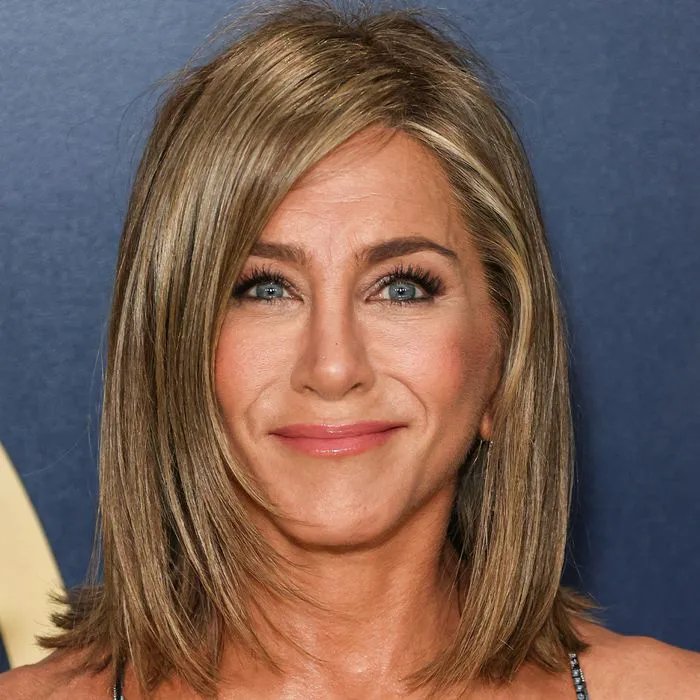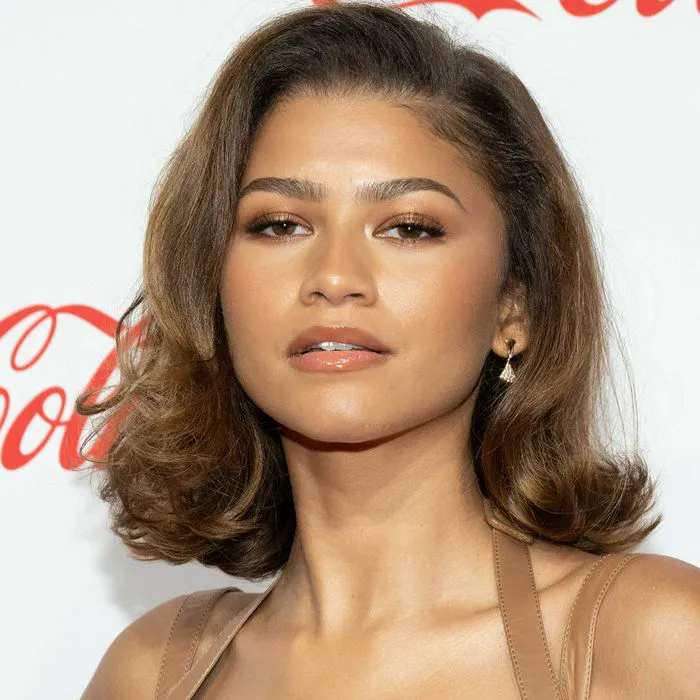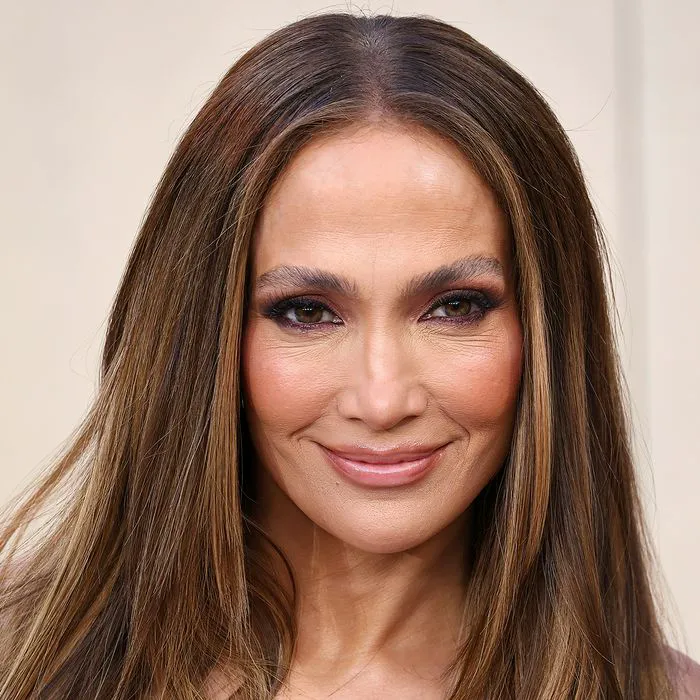



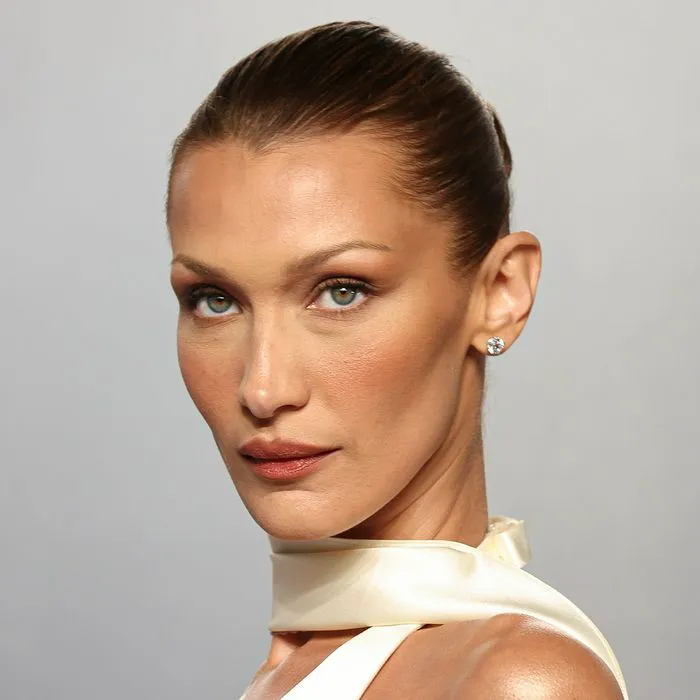

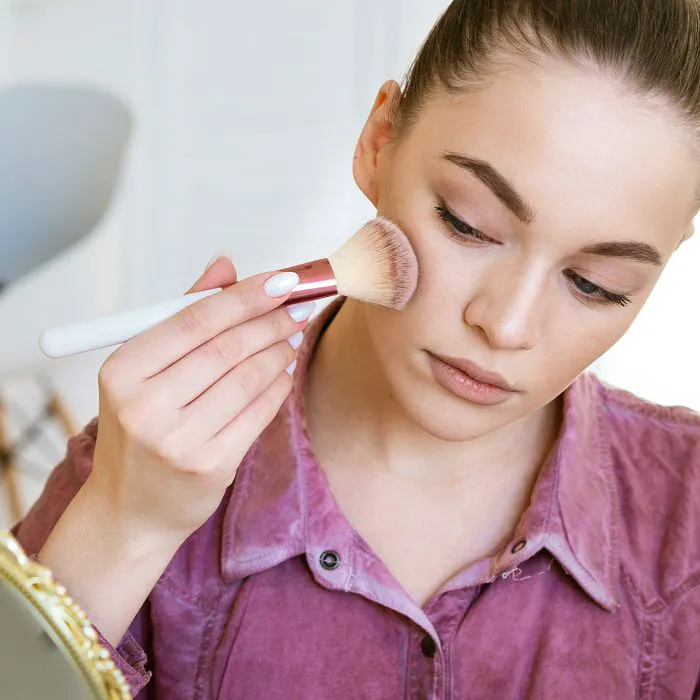
Blush is one of the easiest ways to brighten your complexion and add a healthy-looking glow, but choosing the wrong shade can sometimes leave makeup looking too harsh or washed out. According to the beauty experts, understanding your skin’s undertone is the key to finding a blush that looks naturally flattering.
Fortunately, figuring out your undertone only takes a few seconds—and once you know it, choosing the right blush becomes much easier.

Women Are Swapping Their Boring Water For This Ice Pop Electrolyte Mix!
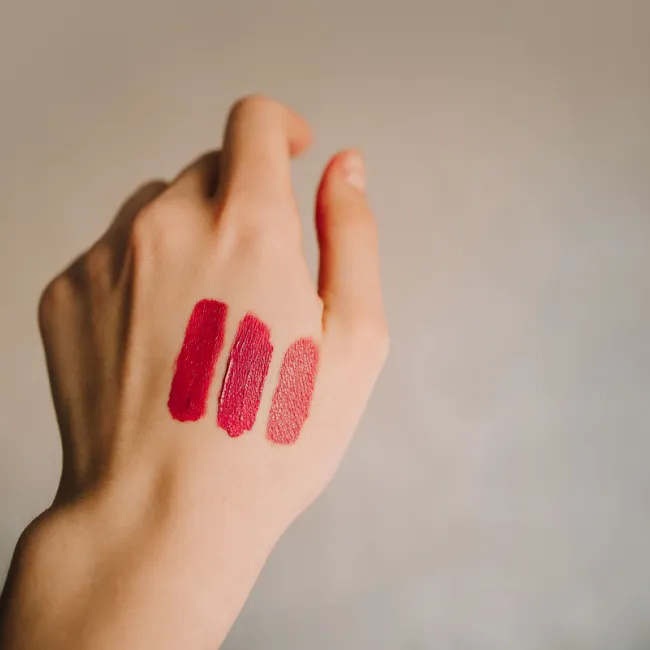
Step One: Check Your Veins
Not sure whether you have warm or cool undertones? Beauty experts recommends looking at the veins on the inside of your wrist in natural light.
If your veins appear blue or purple, you likely have cool undertones.
If they look more green, you probably have warm undertones. While this isn't the only way to determine undertones, it's one of the simplest tricks makeup artists use as a starting point.
The Best Blush Shades for Cool Undertones
If you have cool-toned skin, blushes with cooler pigments tend to create the most natural flush. According to the experts, look for shades such as:
- Mauve
- Dusty rose
- Berry
- Soft raspberry
- Cool pink
These colors contain cooler blue or purple pigments that complement cool complexions without looking overly orange.
The Best Blush Shades for Warm Undertones
Those with warm undertones generally look best in blushes that mimic the warmth naturally found in the skin. Experts recommend shades including:
- Coral
- Peach
- Warm pink
- Bright red
- Terracotta
- Apricot
These hues feature yellow, orange, or golden undertones that help create a healthy, sun-kissed glow.
Remember: Makeup Doesn't Have Rules
While matching your blush to your undertone can help create a more seamless finish, the experts emphasize that beauty is ultimately about personal preference. If you love a cool berry blush on warm skin—or a bright coral on cool skin—you should absolutely wear it.
Undertones simply provide a helpful guide when you're shopping for a new blush or trying to narrow down shades that will naturally complement your complexion.
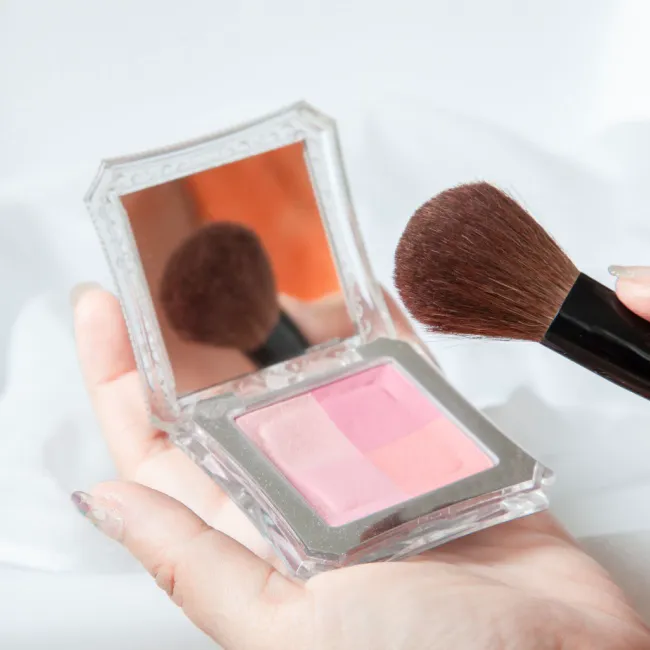
The Bottom Line
Finding your ideal blush starts with understanding your undertone. A quick glance at your wrist can help determine whether cool mauves and rosy tones or warm corals and peaches are more likely to flatter your skin. Once you know your undertone, choosing a blush that enhances your natural complexion becomes much less of a guessing game—and much more fun.