




In today’s digital world, it’s crucial to keep yourself and your private information safe, which includes not falling into the traps scammers might set up for you.
It’s easy to assume a text message is legitimate these days when it appears to come from a company you know and trust. Whether it’s an alert about your Apple account, a delivery you’re waiting for, or a bank transaction, these messages can look convincing, which is why they’re some of the most commonly used techniques scammers use to get you to give up sensitive data fast. But tech experts warn that certain red flags can reveal when a seemingly harmless text is actually an attempt to steal your personal information. Read more about two of them below.

Women Are Swapping Their Boring Water For This Ice Pop Electrolyte Mix!
1. The Message Looks Almost Identical To A Real Company Alert
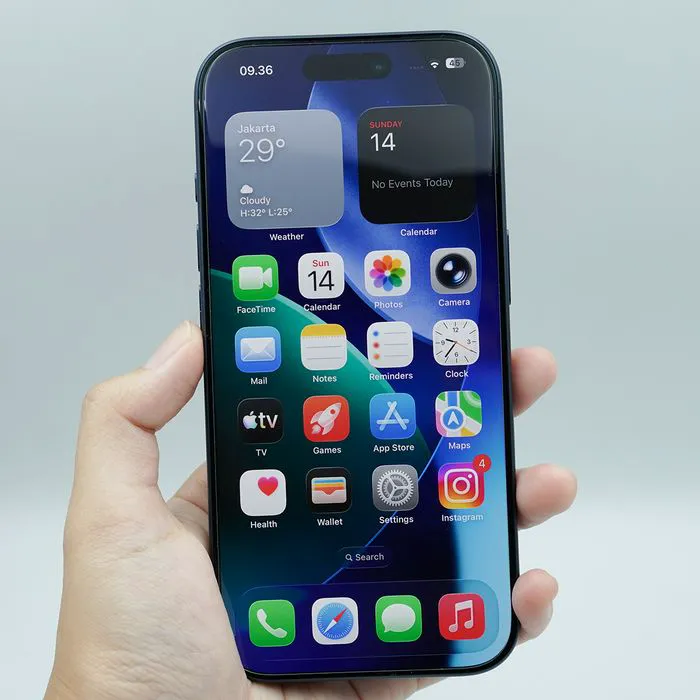
Scammers are becoming increasingly sophisticated, creating text messages that can look nearly identical to legitimate alerts from major companies. According to tech experts, some even use familiar logos, realistic Apple IDs, and details that appear to match your actual purchase history, making the message much harder to question at first glance.
"Scammers have become extremely good at sending text messages that look exactly like they came from Apple, a company that most people don't question," notes tech and scam detection expert Ron Kerbs. "They include perfect logos, real-looking Apple IDs, and even messages that mirror your actual purchase history. You receive an alert telling you there's a suspicious login on your account, or a charge you need to review, and they drop a link that lands you on a page that's nearly indistinguishable from the real Apple sign-in page."
2. The Text Uses Urgency To Make You Click
Another major warning sign is a message that pressures you to act immediately out of fear. Attackers often impersonate delivery companies, banks, and leading tech companies such as Apple or Google, telling you to click a link or verify your account before something goes wrong. Ironically, they'll even sometimes fake inform you that a hacker has gained access to your accounts, only opening the door for whoever's behind it to actually do so.
"Attackers send texts pretending to be from delivery companies, banks, HMRC, Apple, or Google, urging users to click a link or "verify" their account," explains tech security expert Darren Kimuli. "These messages often look authentic and use urgency ('Your account will be locked in 2 hours') to push quick action. Clicking the link can lead to credential theft or malware installation. Never tap links in unsolicited texts, even if they look official. Instead, log in through the organization’s real website or app to check for alerts."